

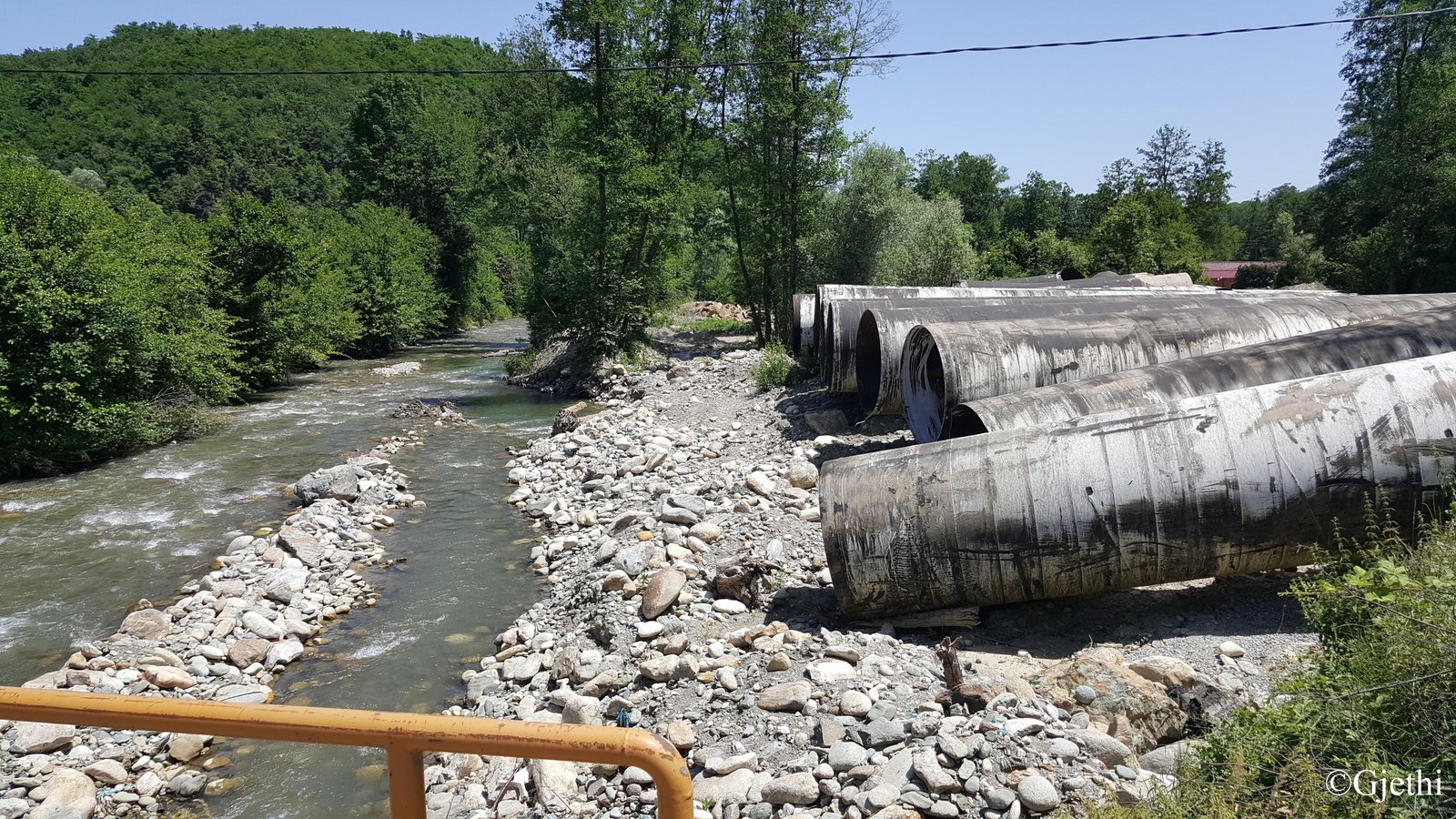
Hydropower plants are a renewable energy sources and can be used to produce clean electricity. But they must meet environmental standards and construction and operation criteria. In the case of Kosovo, it appears that environmental and other damage is greater than the benefits.
According to the OECD report Western Balkans Competitiveness Outlook 2024: Kosovo, based on World Bank data on water resources, Kosovo has scarce renewable water resources, around 1,600 m³ per person per year, far below the regional average. Meanwhile, there are still villages without drinking water.
Taking these facts into account, Kosovo’s rivers are not suitable for hydropower construction given the multidimensional damage and limited production potential.
According to the annual report of the Energy Regulatory Office, the installed capacity of hydropower plants in Kosovo is 65.28 megawatts, while their production during 2024 reached 123,184 megawatt-hours (MWh).
After many reactions and protests, but also evidence of extensive damage, hydropower plants were removed from Kosovo’s Energy Strategy 2022–2031.
The history of hydropower plant construction in Kosovo began in 2006, when a pre-feasibility study was conducted by the Ministry of Energy and Mining, which envisioned two hydropower plants on the Lepenc River: “Brezovica,” with an installed capacity of 2.1 MW, and “Lepenci,” with a capacity of 3.5 MW. Work actually began in 2012.
Currently, 13 hydropower plants have environmental permits issued by the Ministry of Environment, while four others have applied to obtain such permits.
It all began with deception and without transparency
The diversion of the Lepenc River into pipes caused strong reactions and resistance among the local residents. Agron Rushiti is among those who were very active on this issue. He said that when eight workers went to work in the riverbed in the village of Biti in Shterpca in 2012, the residents were very pleased and welcomed them because said they were cleaning the riverbed. Rushiti said the residents felt good because someone had thought of them and was taking care of the riverbed in their village.
“We organized ourselves, collected money, and sent them a roasted lamb. We also bought the workers plenty of drinks to show respect and thank them for the work they were doing,” Rushiti said.
As he recounts, during the “celebration” one of the workers began to feel unwell, probably because he saw how happy they were that the river was being cleaned.
“He told us, you’re celebrating, but you’ll never see this water again because it’s going into pipes. We did not believe him; he seemed drunk to us,” said Rushiti.
He told us, you’re celebrating, but you’ll never see this water again because it’s going into pipes. We did not believe him; he seemed drunk to us.
But that conversation made them more interested in the “cleaning” of the riverbed in their village, and after a year they finally realized that preparations were underway to channel the water into the hydropower plant’s pipes. Rushiti said they immediately began protesting and obstructed the work on the ground.
He said no public hearing was held with them as residents, but according to him two hearings were held about them, but without them. One in Kaçanik, the other in Brezovica - about 20 kilometers away from their village.
“Since 2015 we have been protesting continuously. We have not left a single door unknocked, government, municipality, embassies, NGOs, or anyone who spoke about this issue,” said Rushiti, adding that they had contact with representatives of the company, who told them that there would be no damage, that a percentage of the water would go into the pipes while the other would not, and that there would be investments in their village.
Rushiti also said he was offered more than 100,000 euros just to stop opposing the project.
“This happened through various means and through people who know me. I reported these cases to the prosecutor’s office and the police,” he said.
The effort to defend the Lepenc River brought together Albanians and Serbs from this village, something rare, perhaps for the first time in Kosovo. At that time, the village had around 150 Albanians and the same number of Serbs. Agron Rushiti tells us there was no prior planning or coordination, but that everything happened naturally.
“People used to come into the shop and we’d talk about what was happening. We went out to protest and saw some Serbs with us, and then more came. Everyone, while going out to their own field, could see that destruction was happening. That brought us together. Every sound of the excavator found us together in protest,” he said.
While the protesters were blocking the work, the Kosovo Police intervened and dispersed them violently.
“In 2019, the special police unit beat us severely,” said Rushiti.
By that year, the water had already been diverted into pipes. Rushiti said they no longer had the strength to stop it.
According to him, for everything that has happened - or, as he calls it, the ‘betrayal’ of the residents of Biti - the Ministry of Environment and the Municipality of Shterpca are responsible.
Immediate impacts
Agron Rushiti said that after the trenches were dug to place the pipes, the consequences were immediate for them, because the water level in the wells dropped right away, since they are at the same level as the river.
He said the pipes installed have a diameter of more than two meters wide, and to bury them in the ground, a trench four meters deep had to be dug. He said this also damaged their gravity-fed water supply, which was never repaired.
As a result, he now goes to petrol stations or to Prevalle to collect water, because at home, he said, there is no water anymore.
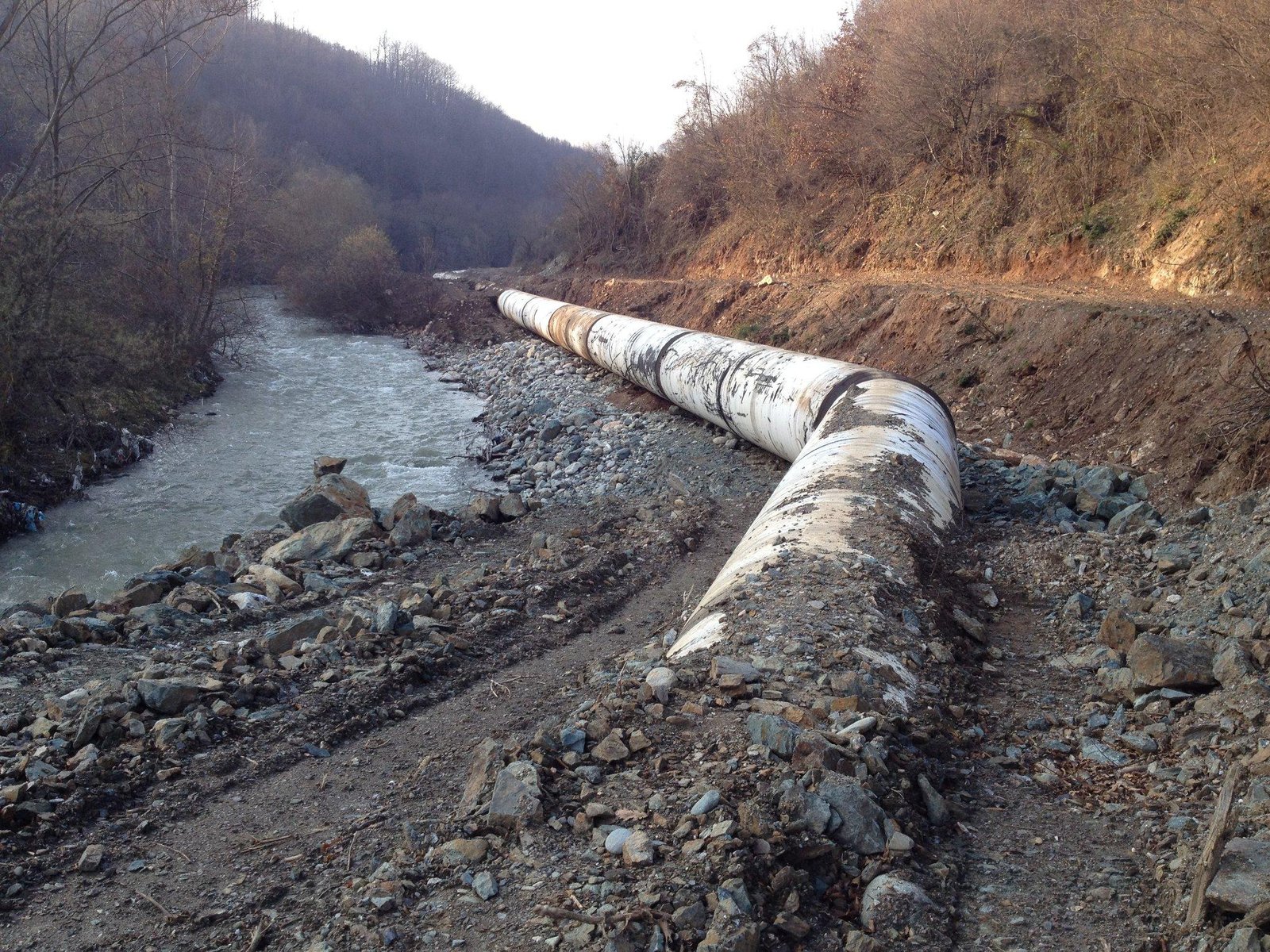
Rushiti said that channeling the Lepenc into pipes has caused many other consequences. A large number of residents made their living from raspberries, which, according to him, had exceptional yields because of the climate and the water.
“When they started digging, they damaged our irrigation channels, and that had a direct impact. In summer, the river carries little water, and that directly affected the yield,” said Rushiti.
He is not optimistic that the hydropower plant operations will stop.
“I no longer have hope. Those who are now in power have continuously supported us, and we hoped they would do something. They came to every house and promised that this was illegal and that once they came to power it would be undone and those who did this would be judged,” said Rushiti.
Study: Permits for hydropower plants inside the Sharr National Park should be revoked
A study report carried out in 2024 by four professors from the University of Prishtina “Hasan Prishtina” and the University of Peja “Haxhi Zeka” on the impact of hydropower plants on freshwater biodiversity in the Sharr Mountains National Park emphasizes that all hydropower plant activities in the National Park area must be stopped immediately and measures taken to prevent the destruction of nature.
The study stresses that hydropower activities have endangered populations of fish and macroinvertebrates belonging to species protected by law.
“A significant decline in population or a total disappearance in the stream segments below hydropower zones has been observed for important species such as the fish Salmo farioides and aquatic insects such as Drusus sharrensis and Potamophylax humoinsapeins,” the study states, among other findings.
The study shows that all accumulation zones and their respective dams are located within the National Park and that their current environmental impact is contrary to the goals of protected areas.
The professors who conducted the study also issued several recommendations, the main one being that, since the current EIA’s do not fulfill the legal and scientific criteria, “it is necessary to retract all permits for hydropower plants inside Sharr National Park in Shtërpce Municipality and to immediately stop all activities of HPP’s in this area”.
Protecting the river by residents of Soponica, Kaçanik
The diversion of the Lepenc into pipes also began in the village of Soponica in Kaçanik in 2023, which triggered a strong reaction from residents and has so far stopped the process.
Ibrahim Dalloshi, the administrator of this village, tells us that there was no proper public debate with citizens as required by law, but said the company “2 Korriku” held a so-called public debate with some associates and fellow villagers of the company owner, while stressing that the announcement should have been posted in the municipality and in the village.
Dalloshi said the company had obtained a permit from the Municipality of Kaçanik and had started work on building the hydropower plant and laying the pipes.
“By chance, we saw it together with a fellow villager and went there to stop the work. There was a disagreement there and the police came too,” said Ibrahim Dalloshi.
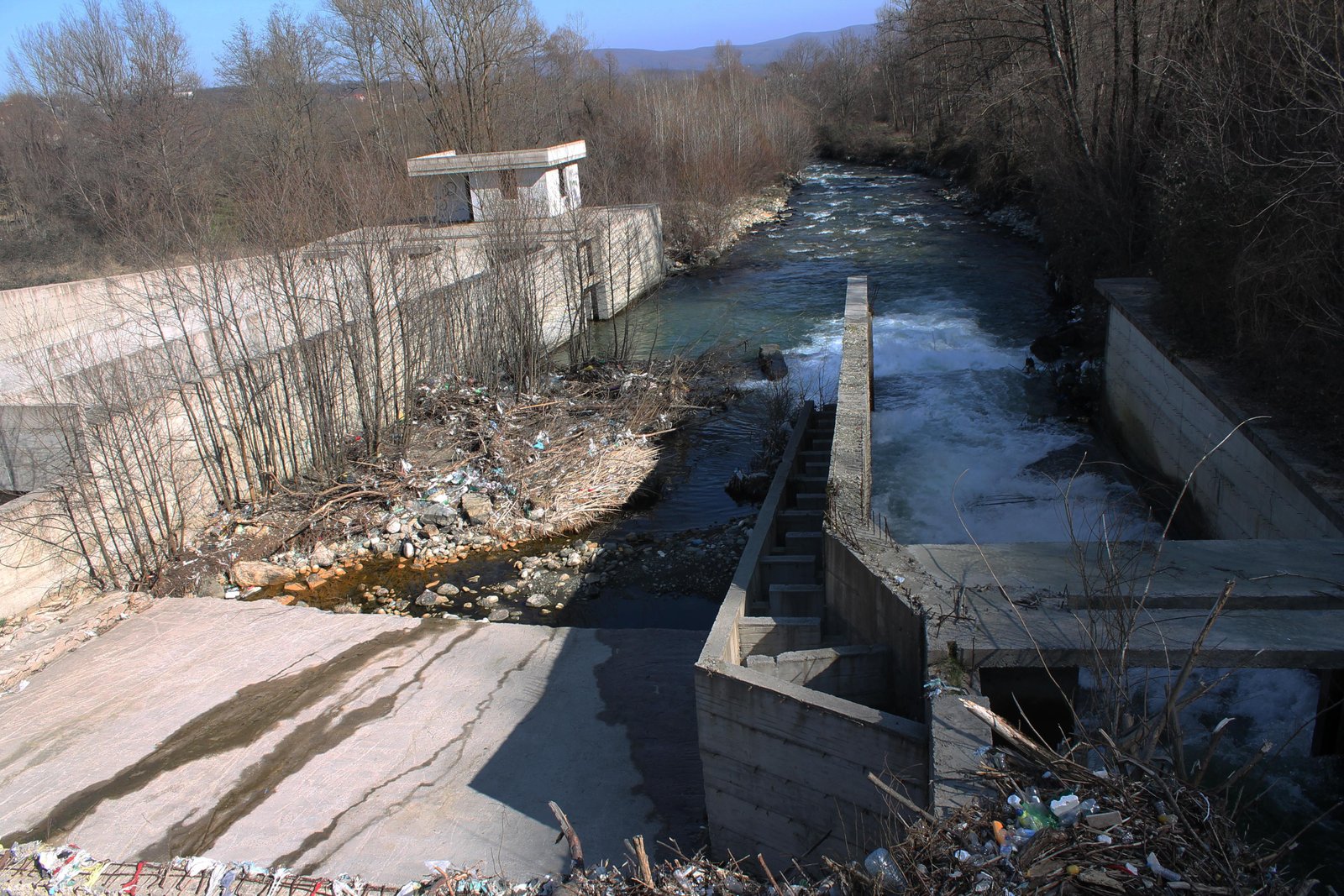
Start of the construction of the hydropower plant in the village of Soponicë, Kaçanik. | Photo: Besnik Boletini
He said that after a few days they organized a protest, and that day the company did not work. But the next morning, early, it started working again. Dalloshi said that he and several fellow villagers immediately went out and asked them not to continue the work.
“Later the mayor of the municipality and officials from the Ministry of Environment also came and brought a decision to stop the works. From that moment on, no one worked there,” said Dalloshi.
He said they are currently in court proceedings with the company.
“We have filed several lawsuits, and it has also filed against us. It even sued me for obstructing work,” he tells us.
Dalloshi said the company has installed some pipes, but not the rest, because of the villagers’ protests. And the pipes that were planned to be laid by the river now remain nearby, awaiting the outcome in court.
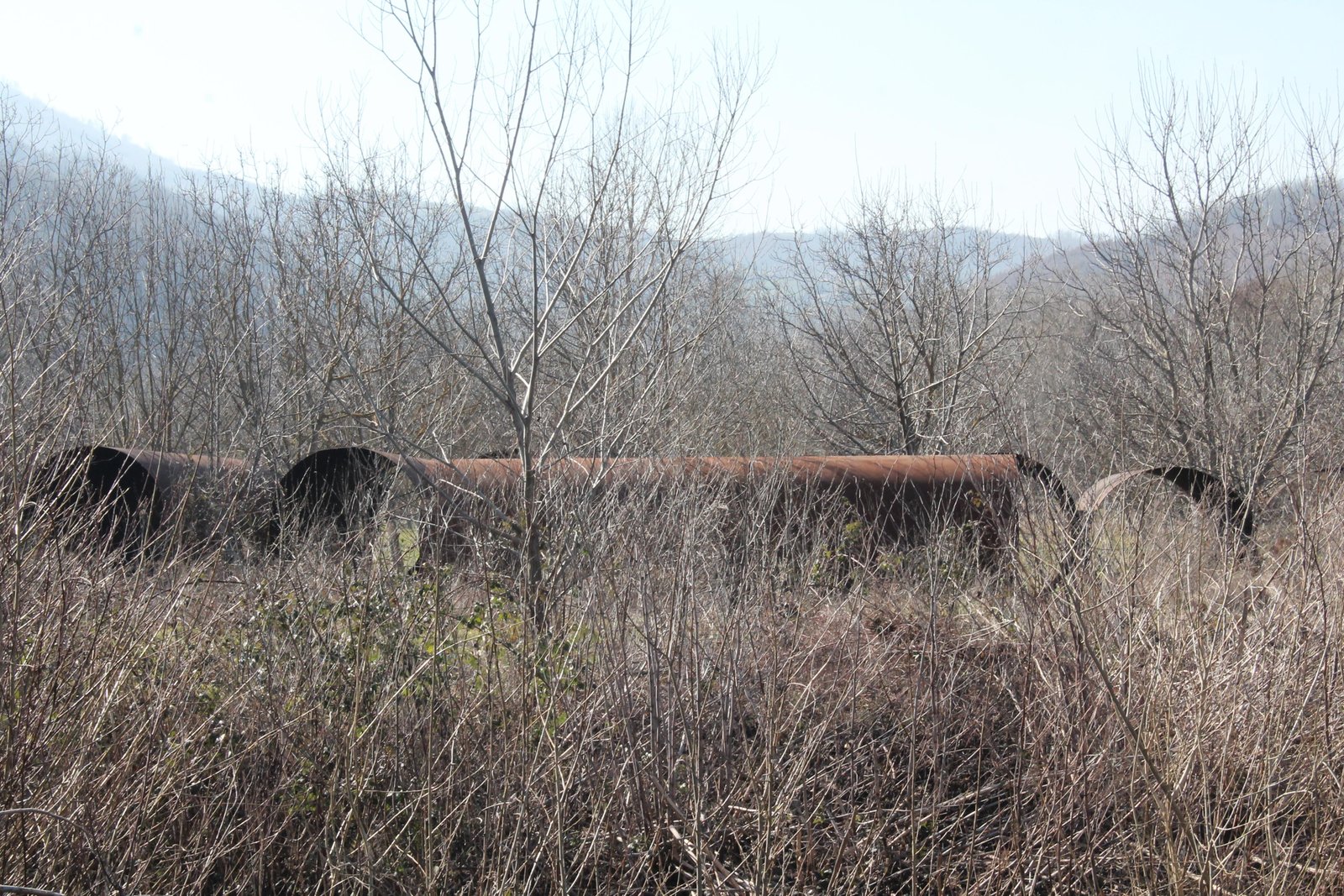
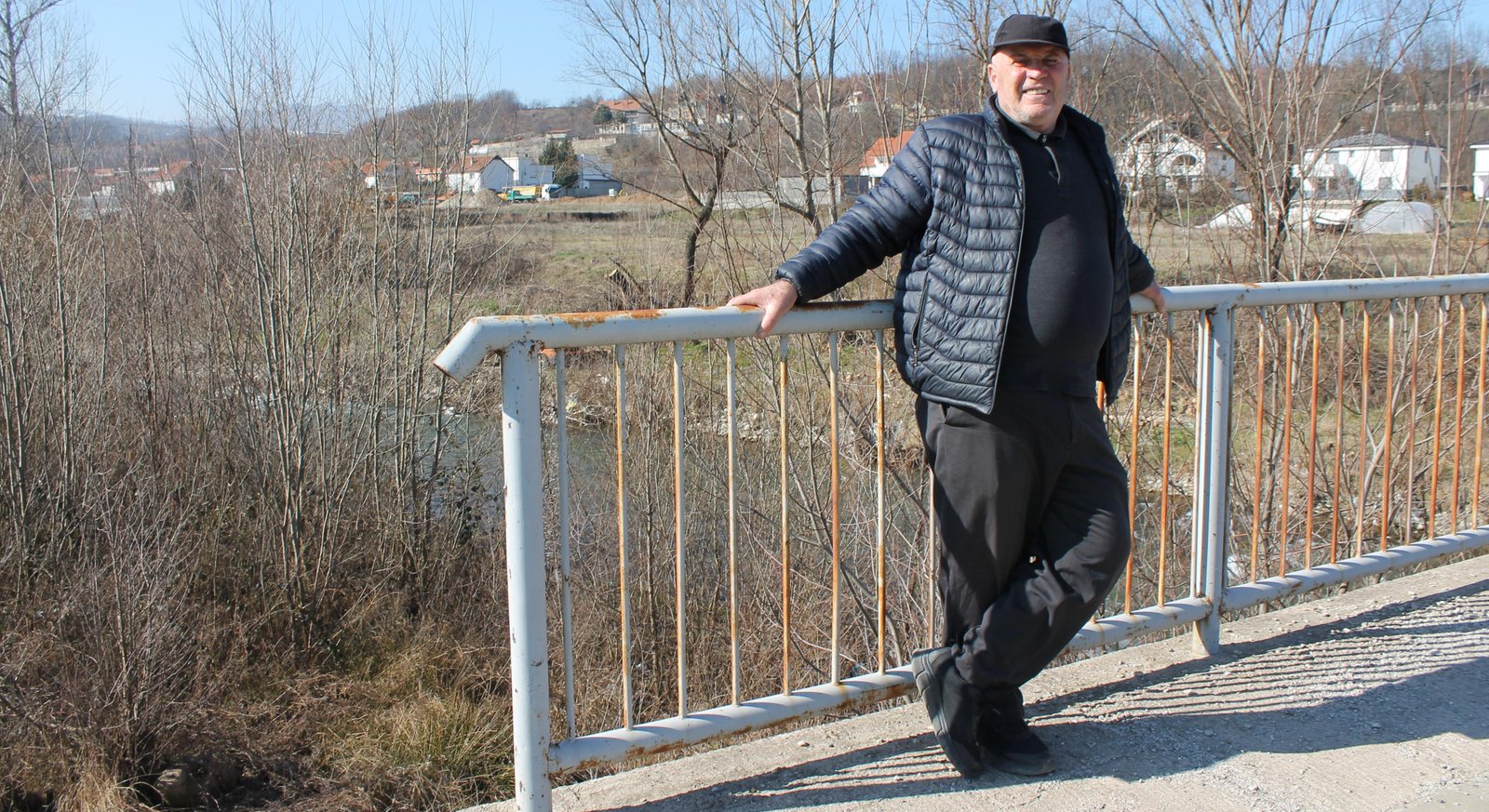
Hasan Dalloshi, a resident of Soponica, despite being around 70 years old, took part in the protests opposing the construction of this hydropower plant, which, he said, would cause extensive damage to biodiversity.
“Life in the water can no longer develop, agricultural land will remain without irrigation, and the wells near this river will dry up,” he said.
He said that if the water is diverted into the hydropower plant pipes, the river will turn into a stream and there will be a strong stench because of the sewage lines that connect a little further on, and the residents will be forced to leave their homes empty.
“We will protect this river at all costs, maybe even with our lives,” said Hasan Dalloshi.
The two residents of Soponica told us about the consequences of the river drying up, caused by the Lepenci 3 hydropower plant, which is in the village of Sllatina next to Soponica.
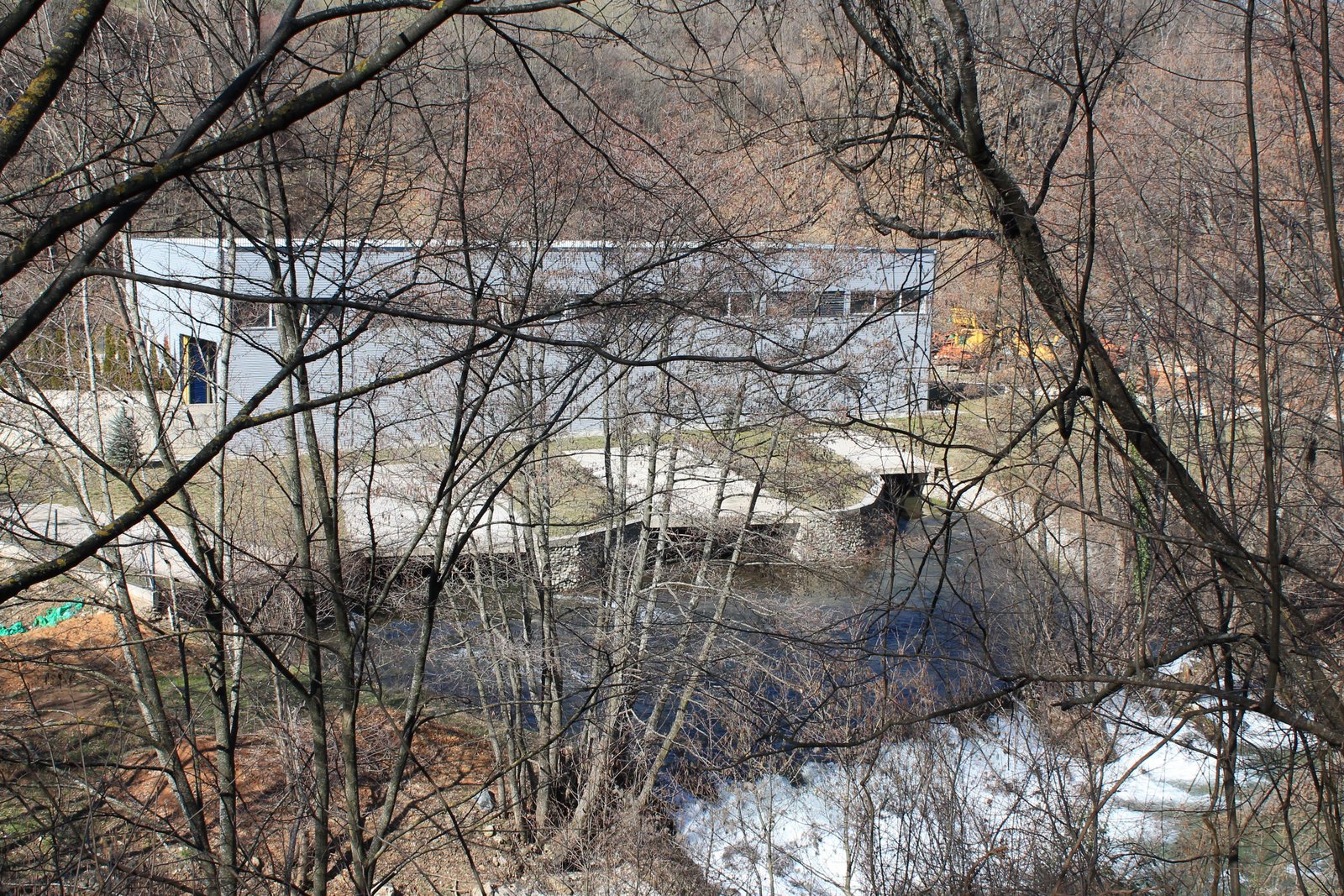
“In summer we see a stream full of waste”
Valon Raka, director of the environmental organization “Gjethi,” said the construction of hydropower plants on the Lepenc River has caused extensive environmental damage. He points out that one of the damages also concerns the collective memory of the residents of that area. This is because, a few years ago, they had a beautiful place for recreation and various activities, whereas now the river and its banks can no longer be used for that purpose.
“In summer we see more of a stream full of waste, more rocks, and worst of all, no water, not as it used to be,” said Raka.
He told us about the many activities they have organized to oppose the hydropower plants on the Lepenc, starting with informing the citizens of Kaçanik and Shterpca, and continuing with protests and court cases against the hydropower plant owners.
Raka believes that the complete shutdown of hydropower plants would be the ideal solution, but stresses that even without that, measures can be taken to reduce environmental damage. He proposes the implementation of minimum ecological flow, the suspension of operations for hydropower plants that do not respect the rules, and the carrying out of full environmental impact assessments before any construction or expansion. According to him, regular inspections and community reporting are essential to prevent violations. Raka calls for drinking water and agriculture to be given priority, in line with EU standards, and also recommends additional measures such as creating fish passages and restoring habitats to reduce the negative environmental impact.
Preportr contacted the companies Matkos, 2 Korriku, and Hidrolepenci for comment regarding allegations raised by residents and environmental activists, but did not receive any response despite several weeks of waiting.
Multidimensional consequences in Deçan Gorge
The construction of hydropower plants in Deçan Gorge also caused numerous reactions, especially because of the environmental damage it caused.
Shpresa Loshaj is among the most outspoken activists against the construction of hydropower plants on the Lumbardhi i Deçanit. She said the environmental damage in Deçan Gorge is extremely severe and, in many cases, cannot even be fully measured, because one form of damage has led to other cascading consequences, and the visible damage itself is very serious.
“In the meadow known as Zalli i Rupës, an ecocide has practically been committed,” she said.
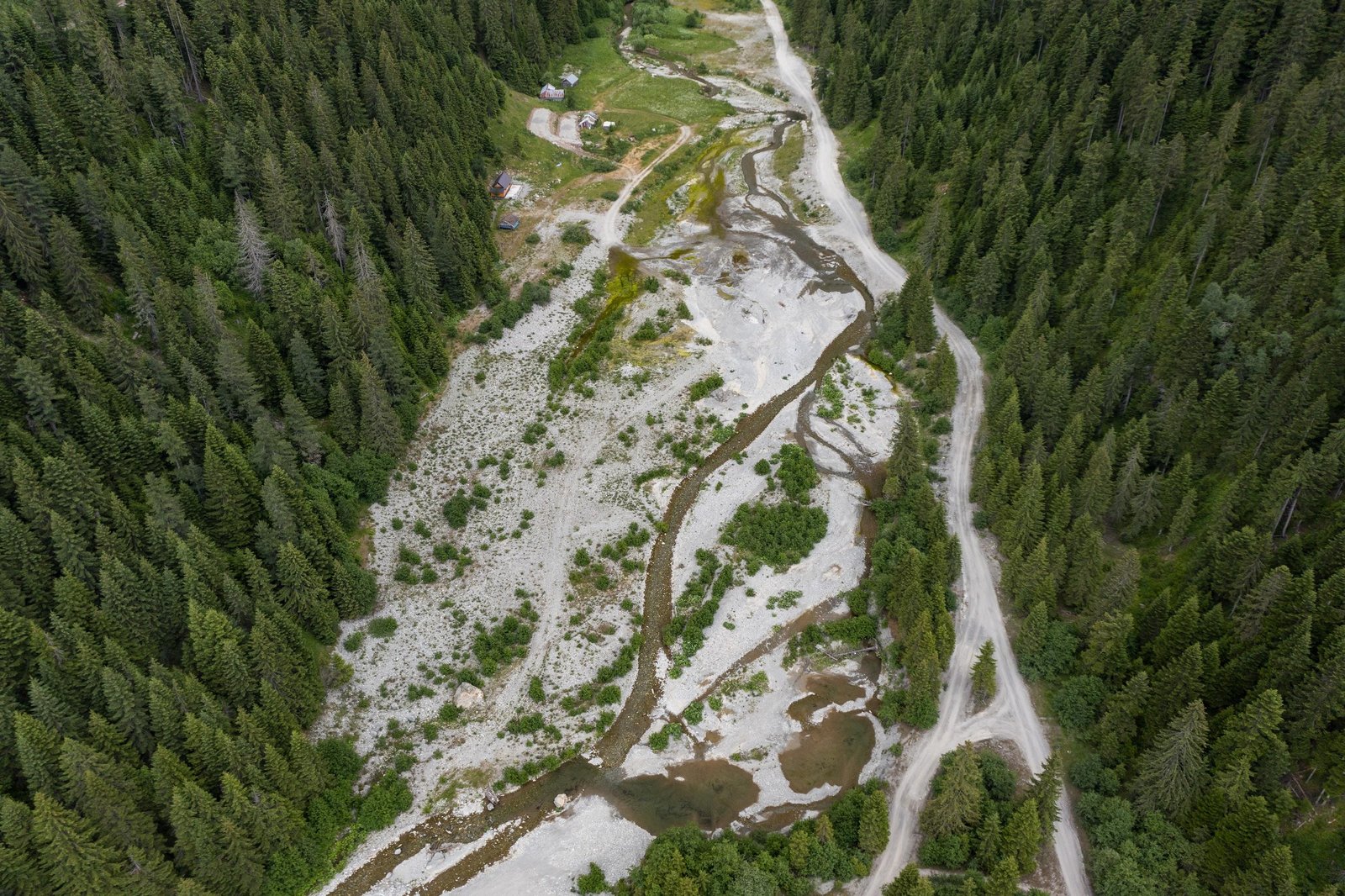
According to Loshaj, there used to be a wild river running along Zalli i Rupës, one of the most distinctive natural sights in Kosovo, but today it no longer exists. The entire gravel bed was taken illegally for hydropower construction, and as a result the entire meadow dried up. She stressed that from there the degradation began, and it has since spread for around 20 kilometers along the river, where three hydropower plants were built.
“The riverbed has been altered several times, the riverbanks have been concreted, and the river is often left almost without water, as its operation is left to the operator’s discretion and there is no monitoring at all,” said Loshaj.
She said the consequences are multidimensional, due to environmental degradation, there is also a growing spiritual separation between the river and the community.
The riverbed has been altered several times, the riverbanks have been concreted, and the river is often left almost without water, as its operation is left to the operator’s discretion and there is no monitoring at all.
Adem Lushaj, a civil society activist and environmental expert, accompanied us in the field to see first-hand the current situation in the places where hydropower plants are operating in Deçan Gorge.
He said that for several kilometers, pipes with a diameter of about two meters have been laid through Deçan Gorge along the edge of the riverbed.
“In fact, it is the monastery’s hydropower plant, even though it was built inside the special zone near the monastery. So, there is a violation of the Law on Special Protected Zones. As a result, there was very serious degradation, not only of the riverbed, but also of the upper part of the road and the bank, where only stones and rocks are falling down onto the road,” said Lushaj.
He said the riverbed has often been completely dry, while the ecological minimum and the survival of fish and other living creatures were put at risk.
Lushaj explains that one of the damages caused by hydropower plants concerns the degradation of the riverbed, which is why the level of the riverbed, at the point where the road is now, is very high and inaccessible to citizens, who used to picnic by the river in previous years.
Another damage, according to Lushaj, is the loss of small springs. He said this happened after the water was diverted into pipes, and as a result some small springs were prevented by the pipes from flowing into the river, which reduced the amount of water.
“The worst example is Deçan, in terms of how hydropower plant construction was invested in. All we have is loss, degradation of nature, loss of water resources, non-use of water resources, and the citizens of Deçan have no benefit at all,” said Lushaj.
He shows us an example where, in his view, they successfully stopped the construction of two hydropower plants as well. Lushaj said that, for formal reasons, there was an attempt to secretly hold a public debate with citizens.
The worst example is Deçan, in terms of how hydropower plant construction was invested in. All we have is loss, degradation of nature, loss of water resources, non-use of water resources, and the citizens of Deçan have no benefit at all.
“We informed the media and went there, and after that they canceled the debate. So, they also wanted to build in the Hulaj and Jasiq gorges, but our reactions led to the cancellation,” he said.
Mon Selmanaj, a citizen of Deçan, said that at the time when public meetings were held to discuss what benefits the Municipality of Deçan would get from the hydropower plants through “Kelkos Energy,” citizens were told one thing, while in reality something completely different happened.
“They told us that there would be no environmental problems. But the river flow, especially in summer, is dry along most of the river route,” said Selmanaj.
He emphasizes that the return to the previous state of the environment almost no longer exists, the road has not been asphalted despite promises, the promised employment benefits for citizens did not materialize, and the municipality’s interest in economic development through tourism has become very small.
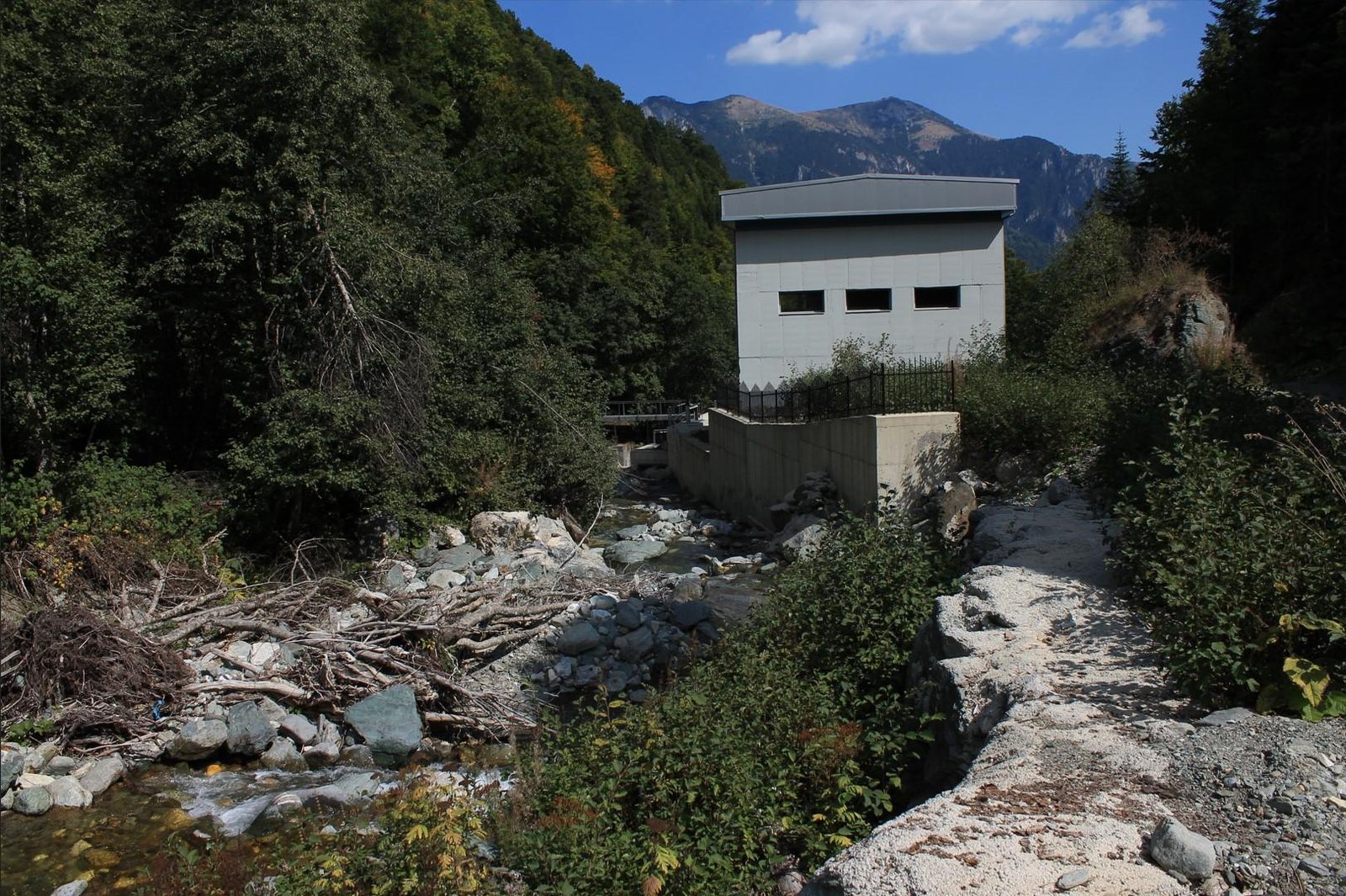
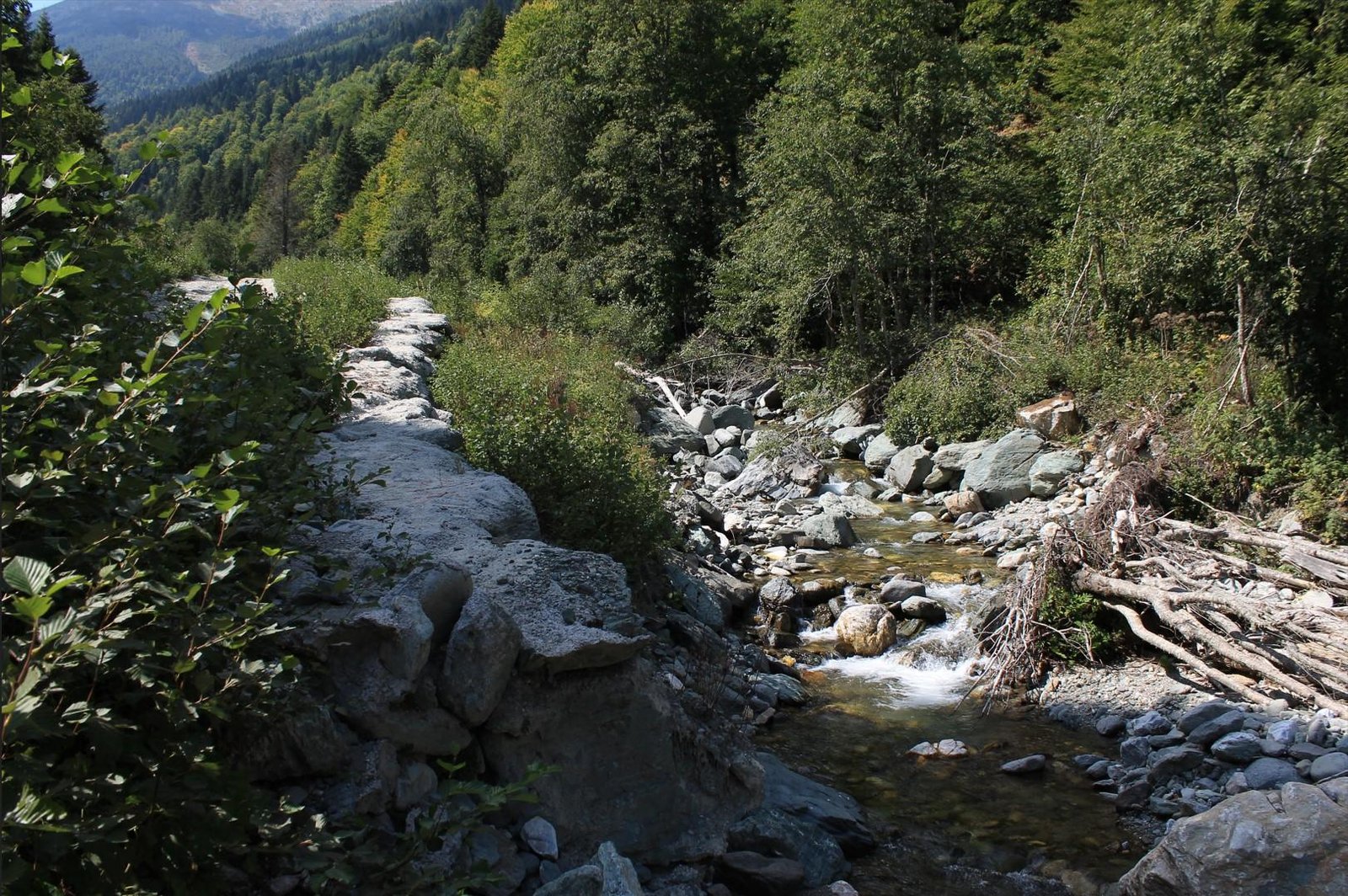
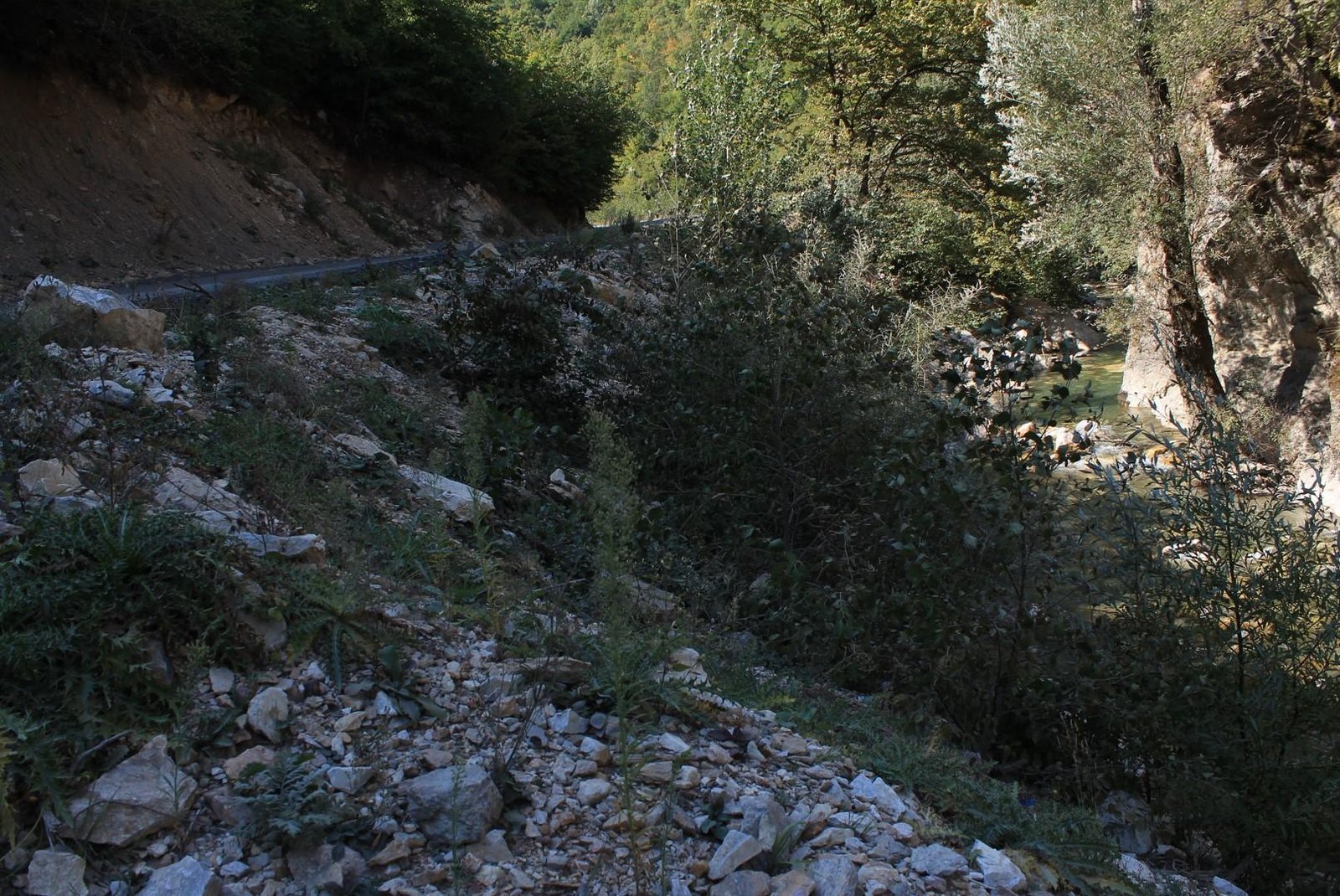
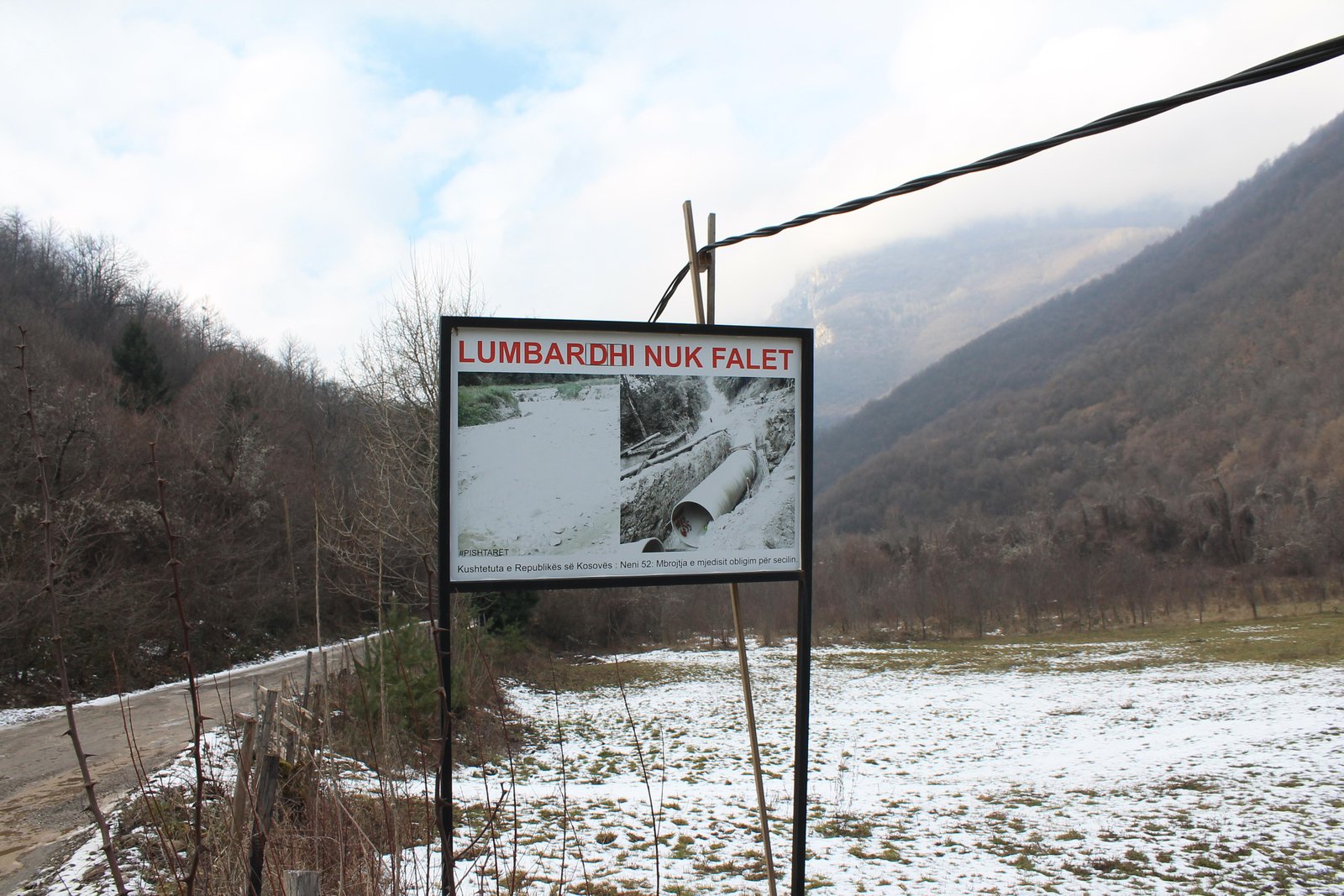
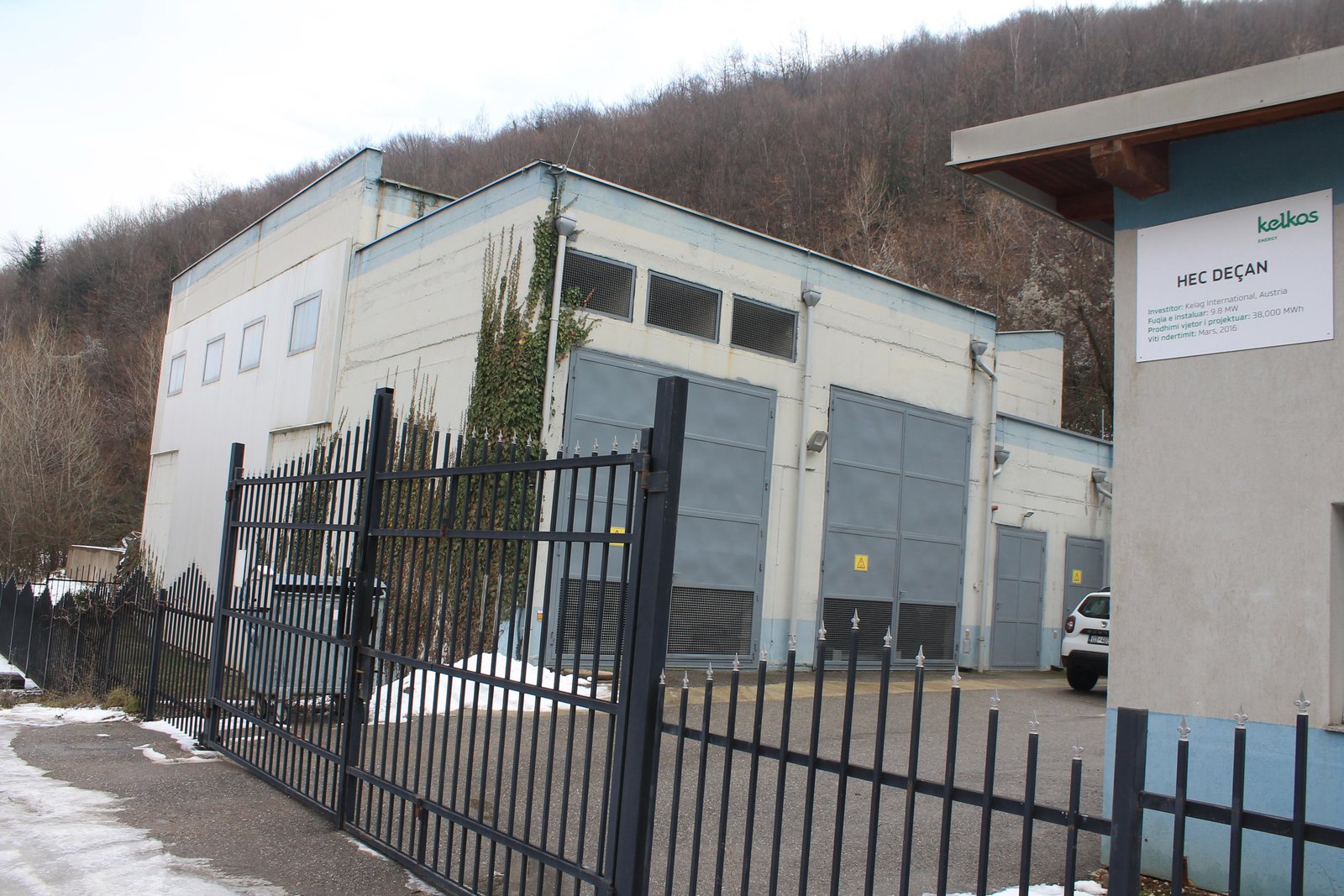
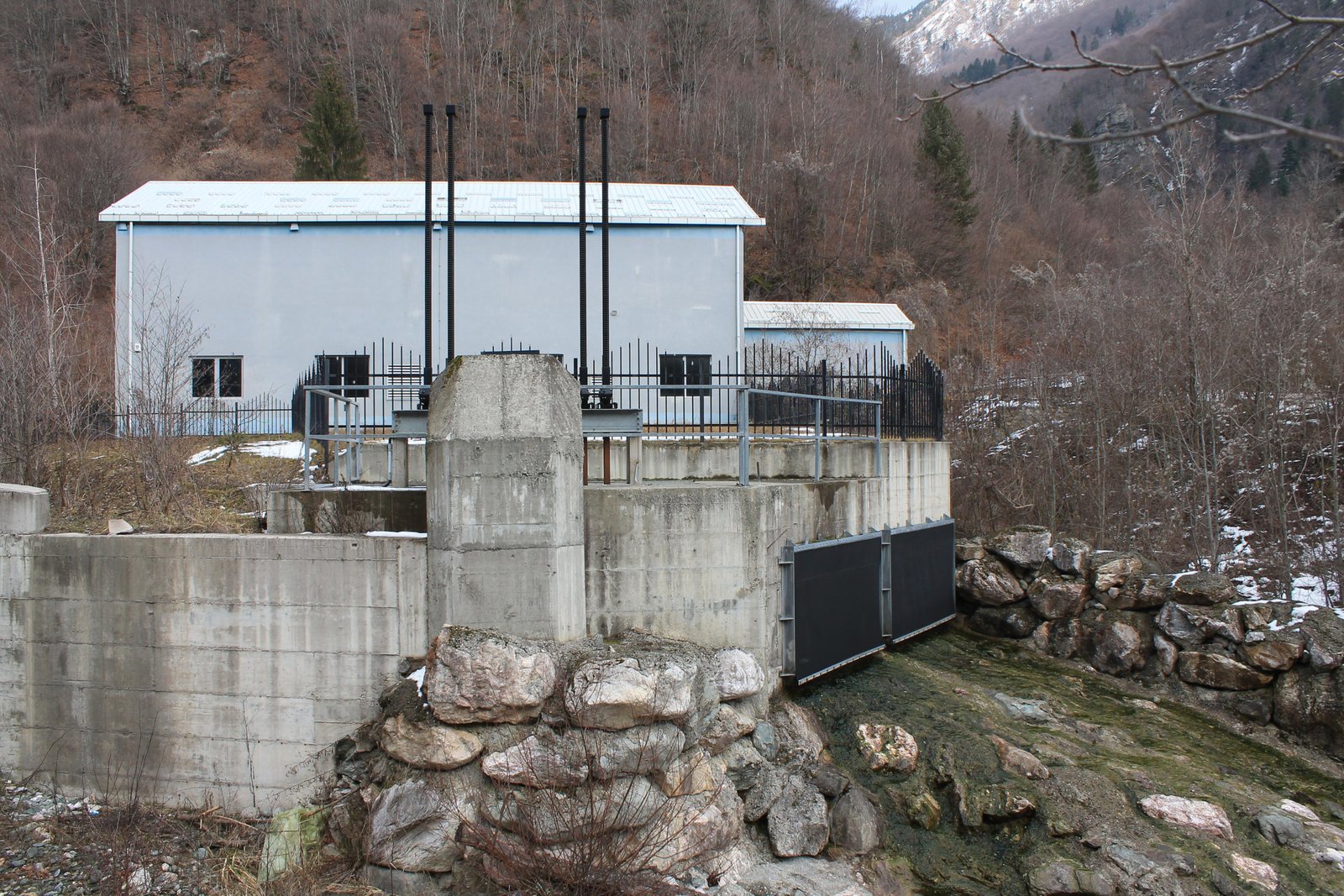
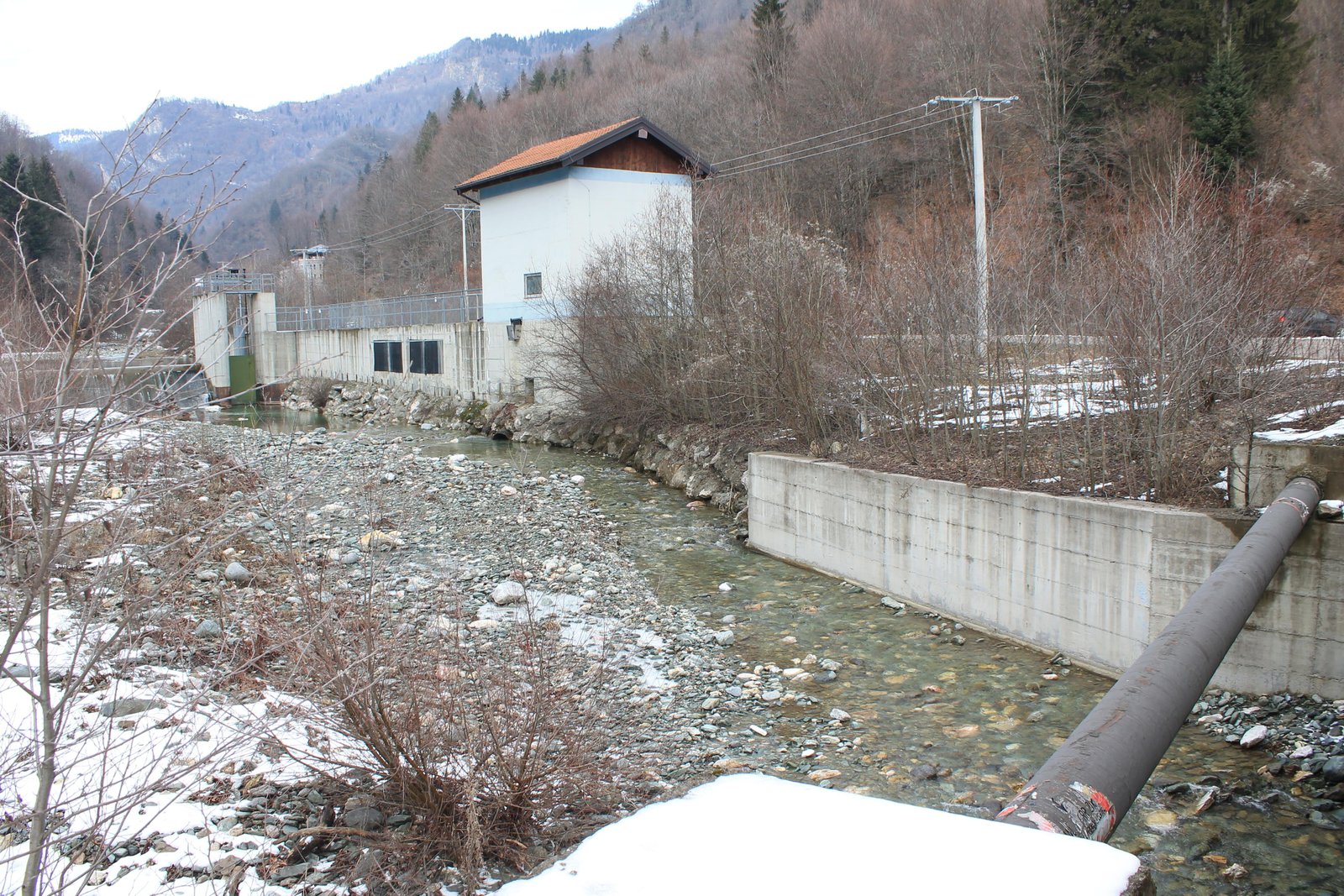
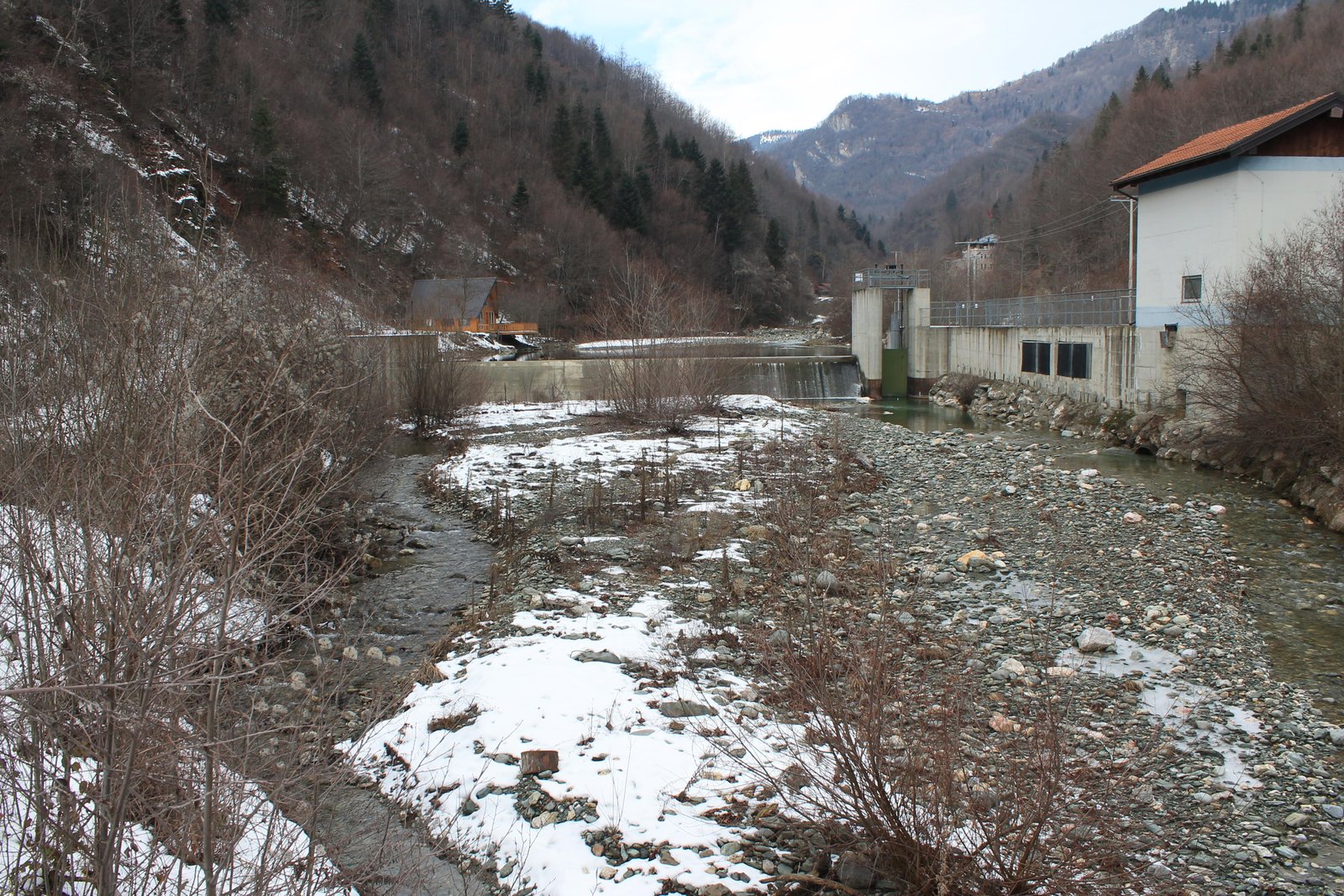
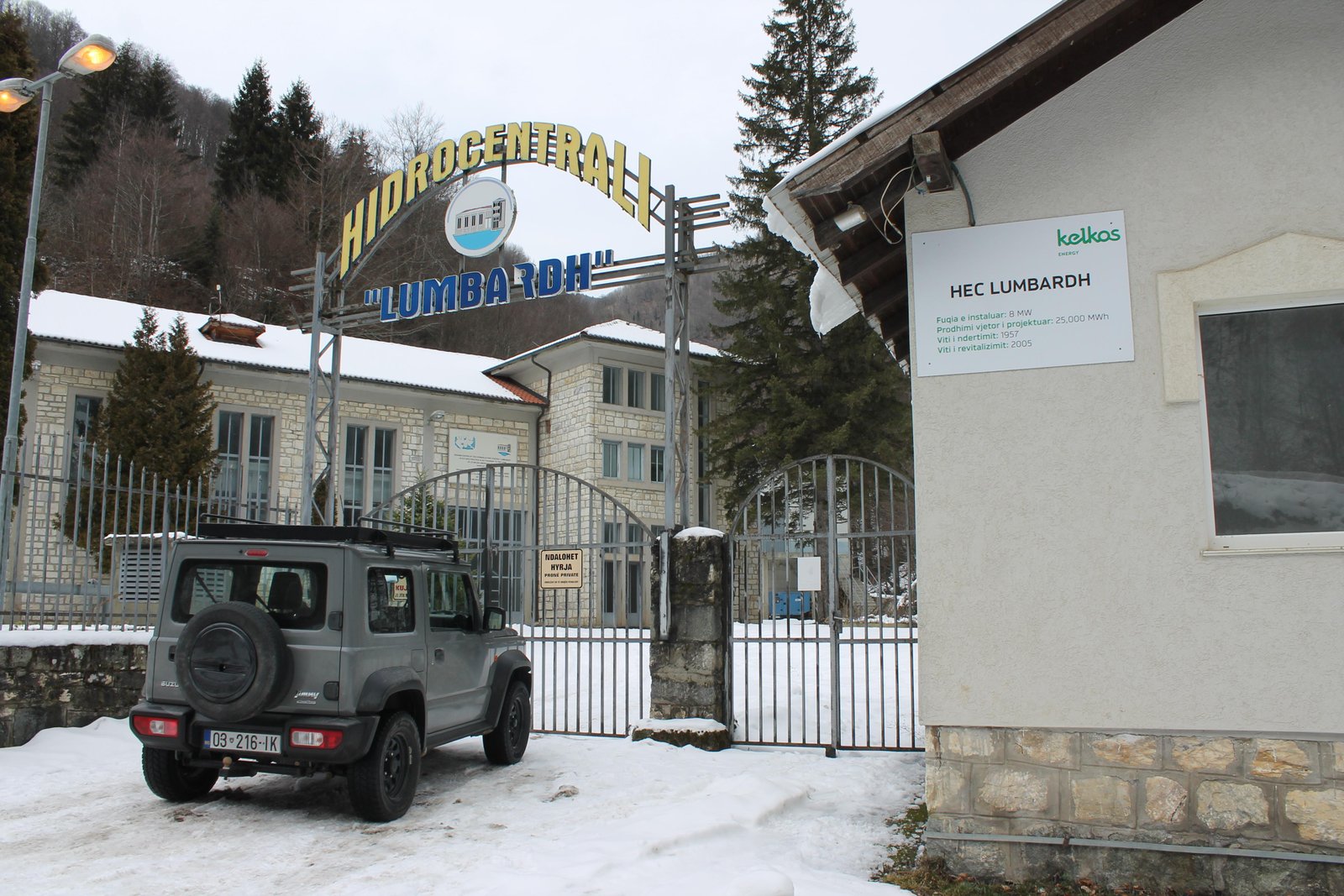
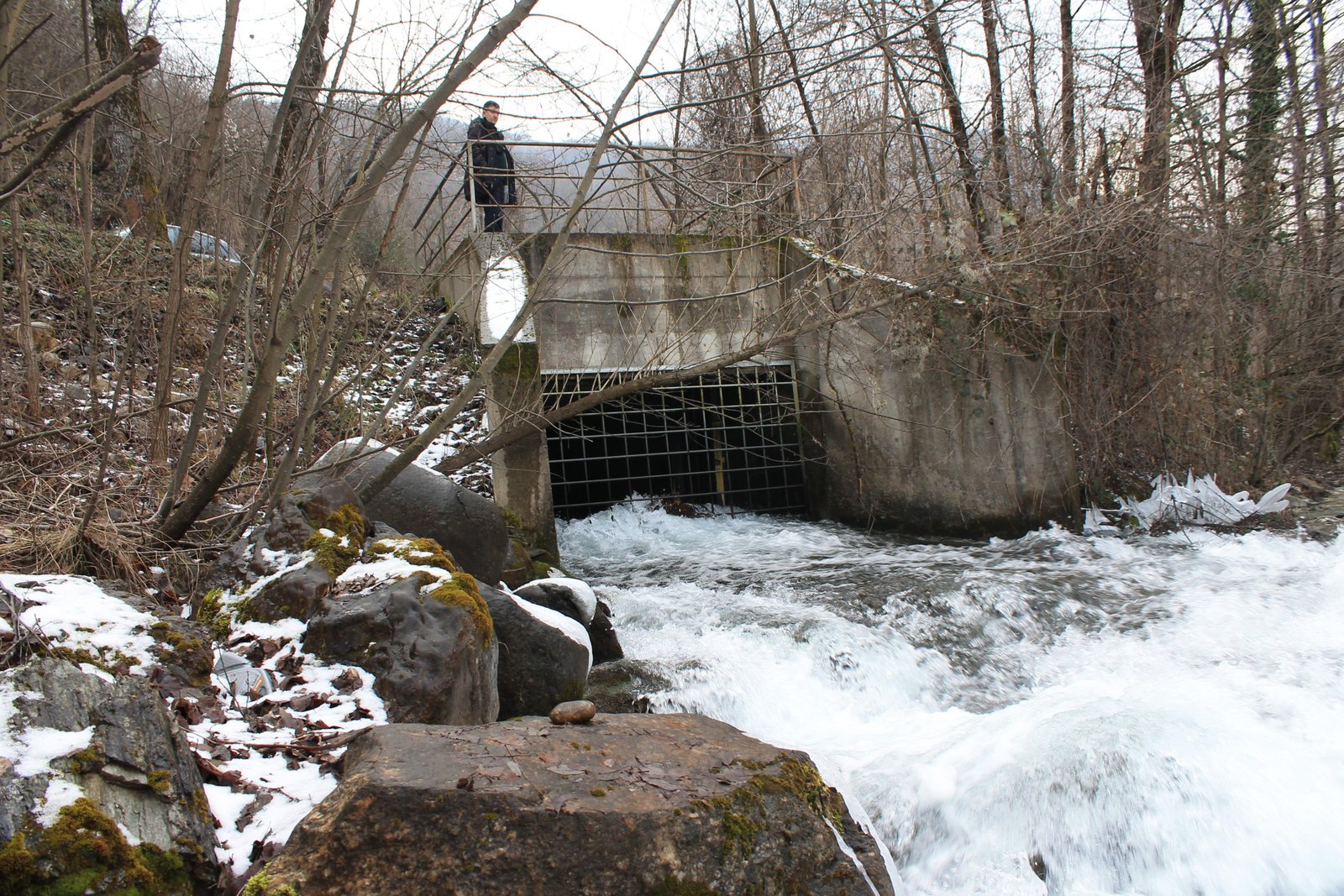
Environmental activists say that channeling the Lumbardhi i Deçanit into pipes has caused multiple environmental impacts. | Photo: Besnik Boletini
He said most of the pipes were laid in the Monastery’s Special Zone and that where the last hydropower plant was built there, it is about 200 meters from the monastery. On the other hand, the monastery has in some way made it impossible to asphalt this road, which would have made movement easier for citizens heading toward the mountains for tourism.
Selmanaj blames the Municipality of Deçan and the Ministry of Environment for this situation, because, according to him, they were in a way guarantors of the proper implementation of this project.
Kelkos took Kosovo to arbitration
Nico Kollmann, head of group operations at “Kelkos Energy” Sh.p.k., said that their projects were implemented in full compliance with European standards and the applicable legislation, and that they respect the role of civil society and take its concerns seriously, but according to him, part of the public debate has sometimes been shaped by selective or one-sided interpretations.
“We believe that many of the objections raised do not reflect the actual situation on the ground. Over more than a decade of operations, there has been no substantiated opposition from the local community in Deçan,” he said.
He claims they caused no environmental damage and that the works and operations were carried out in full compliance with Kosovo’s legal framework.
Kollmann confirms that they initiated international arbitration against the Government of Kosovo, but did not provide any further details.
The Ministry of Justice told Preportr that the arbitration request was filed at the ICC (International Chamber of Commerce) on 12 September 2023 and that the hearing was held between 20 and 24 October 2025.
Asked what the company’s claims are and how much money it is seeking, the ministry said it could not comment because of confidentiality obligations.
Ombudsperson: Action was taken contrary to the Constitution and the laws in force
In 2021, the Ombudsperson published an ex officio report against the Ministry of Economy and Environment, stating that the procedures for the construction and operation of hydropower plants in Kosovo had serious shortcomings in transparency, public participation, and access to justice.
On 5 November 2019, after going to the field, the Ombudsperson’s representative observed that the riverbed along the road to Shterpca was empty, with not a single drop of water.
According to the report, the construction of hydropower plants has had consequences for the environment, including rivers drying up and irreversible ecological damage, while the judicial system has not provided quick and effective remedies.
“On 5 November 2019, after going to the field, the Ombudsperson’s representative observed that the riverbed along the road to Shterpca was empty, with not a single drop of water,” the report states, among other things.
Noting shortcomings in the hydropower plant operation process, public dissatisfaction, and above all the impact of hydropower plants on the environment, the Ombudsperson, through the report, calls on the state to balance public and economic interests, carefully assessing the interest between the importance of energy production through hydropower plants in the country and the environmental impact, which can be severe and irreversible.
“In particular, given the insufficient quantity of water in the country, the government should take a preventive approach in order to avoid irreversible damage,” the report states.
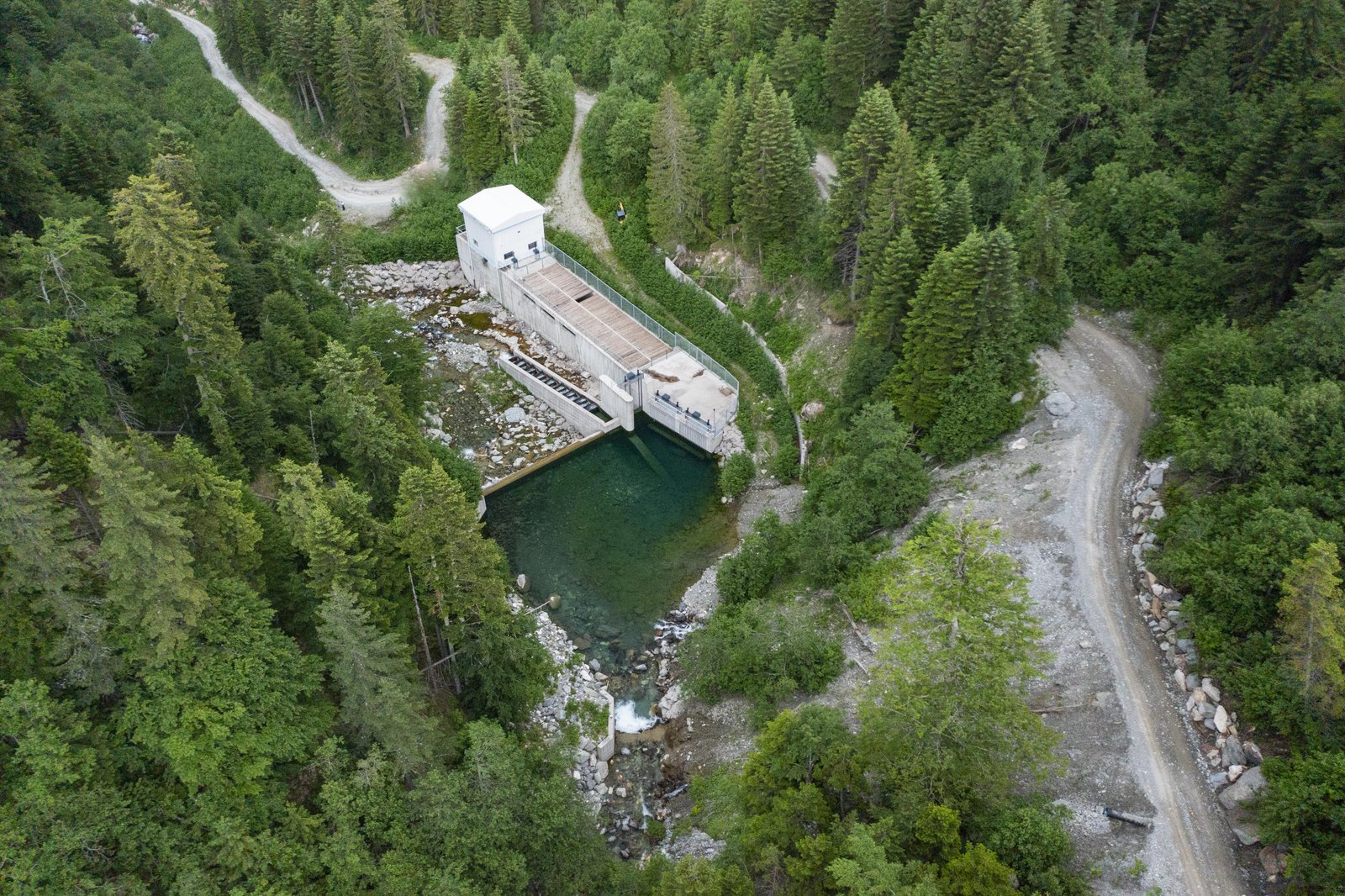
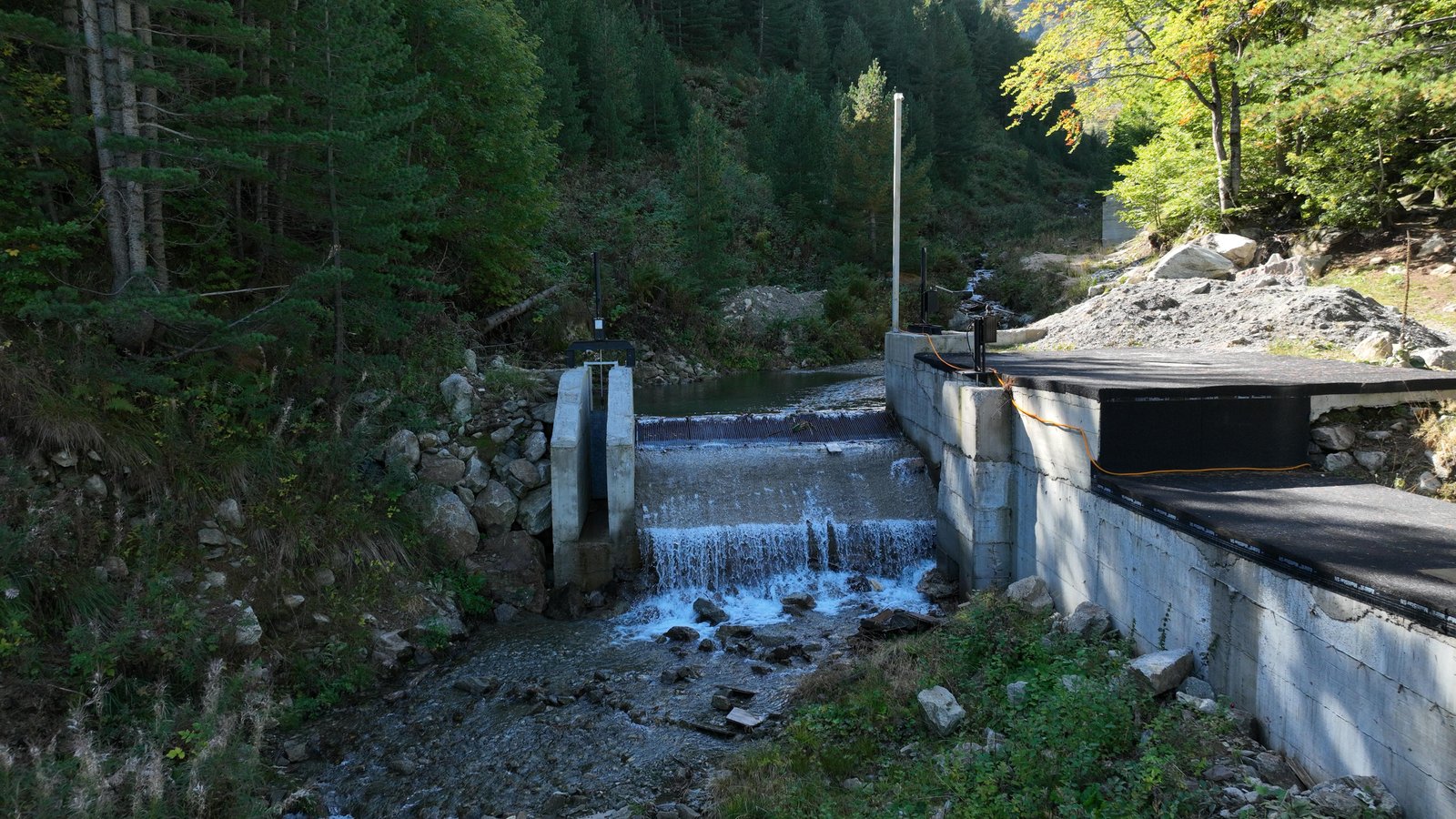
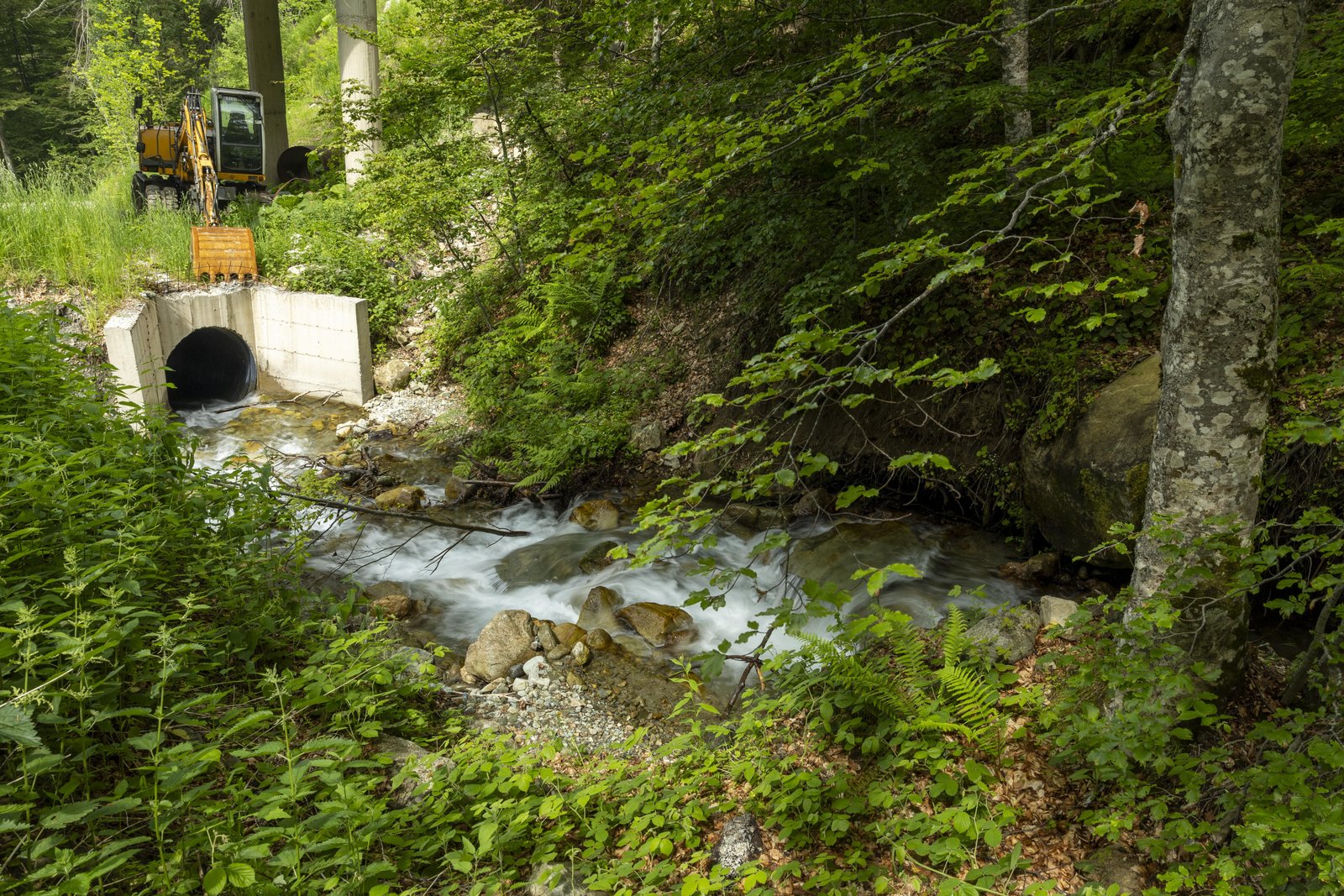
Water intake points at the Sharri hydropower plant in Brezovica. | Photo: ©Bruno D’Amici
The Ombudsperson finds that the Ministry of Environment, the Municipality of Deçan, and the Municipality of Shterpca, in restricting the right to provide access to information regarding the legality of hydropower plant operations, acted contrary to the Constitution and the laws in force, which guarantee citizens the right to be informed about the environment.
“Considering that the situation may have irreversible environmental consequences, the Ombudsperson recommended that the Ministry of Environment and Spatial Planning suspend hydropower plant activities in Deçan and Shterpca until clarification is provided regarding the legality of the operation of the hydropower plants in question, as well as clarification of the competencies among the responsible authorities,” the report states.
Current cases in courts
In addition to activism, research, and protests, the “front” of civil society organizations also focused on the justice system, as several lawsuits were filed in court.
According to Rinon Arifi, a lawyer and expert in the field, there are currently several hydropower plant cases in Kosovo’s courts.
The Kelkos case concerns administrative acts issued for four hydropower plants. For the Belaja, Lumbardhi II, and Deçani hydropower plants, the water permits, environmental permits, and licenses from the Energy Regulatory Office for electricity production were contested. This judicial procedure is currently under review at the Constitutional Court of the Republic of Kosovo. The procedure was initiated by NGOs, after the Supreme Court rejected the lawsuit as unfounded.
Meanwhile, for the Lumbardhi I hydropower plant, the procedures are separate from the other cases and are currently ongoing before the Basic Court in Prishtina – Administrative Department. The contested acts (separate court cases) are the environmental permit and the water permit.
For the Soponica hydropower plant, the environmental consent was contested. The procedure is currently at the Court of Appeal, after the Basic Court in Prishtina – Administrative Department rejected the plaintiffs’ lawsuit (NGOs and local residents) as unfounded.
For the Brezovica hydropower plant, the contested administrative act is the water permit. The procedure is currently under review at the Court of Appeal, after the Basic Court in Prishtina – Administrative Department dismissed the plaintiffs’ lawsuit (several NGOs) as untimely.
For the Lepenci 3 hydropower plant, the contested administrative acts are the water permit and the environmental permit. In this case, the procedure is currently under review at the Court of Appeal, after the Basic Court in Prishtina, Administrative Department, rejected the plaintiffs’ lawsuit (several NGOs) as unfounded.
Building hydropower plants on rivers is wrong
Egzona Shala-Kadiu, ecologist and head of the environmental organization EcoZ, said the way hydropower plants were built on rivers was completely wrong, because they interrupt the river’s flow and affect the aquatic ecosystem. She believes this is one of the worst ways for a hydropower plant to exist, especially in Kosovo, because most of them do not even have a basin to collect the water for production, but instead place the pipe directly into the river.
She said hydropower plants were built illegally in the national parks and that the park laws were not respected by either the Ministry of Environment or the investors, while public debates, which are a legal obligation with local residents, were held with fictitious persons.
“To build a hydropower plant, a construction permit is first required. In the case of Matkos in the Sharr Mountains and Kelkos in Deçan Gorge, construction permits were granted by the Municipality of Shterpca and the Municipality of Deçan respectively for building in a National Park,” said Shala-Kadiu.
She said they have environmental evidence that over 95% of fish have died in the Lepenc flow. According to her, there are also several undiscovered species.
“One has recently been discovered, but it is endangered by hydropower plants because there is no water,” she said.
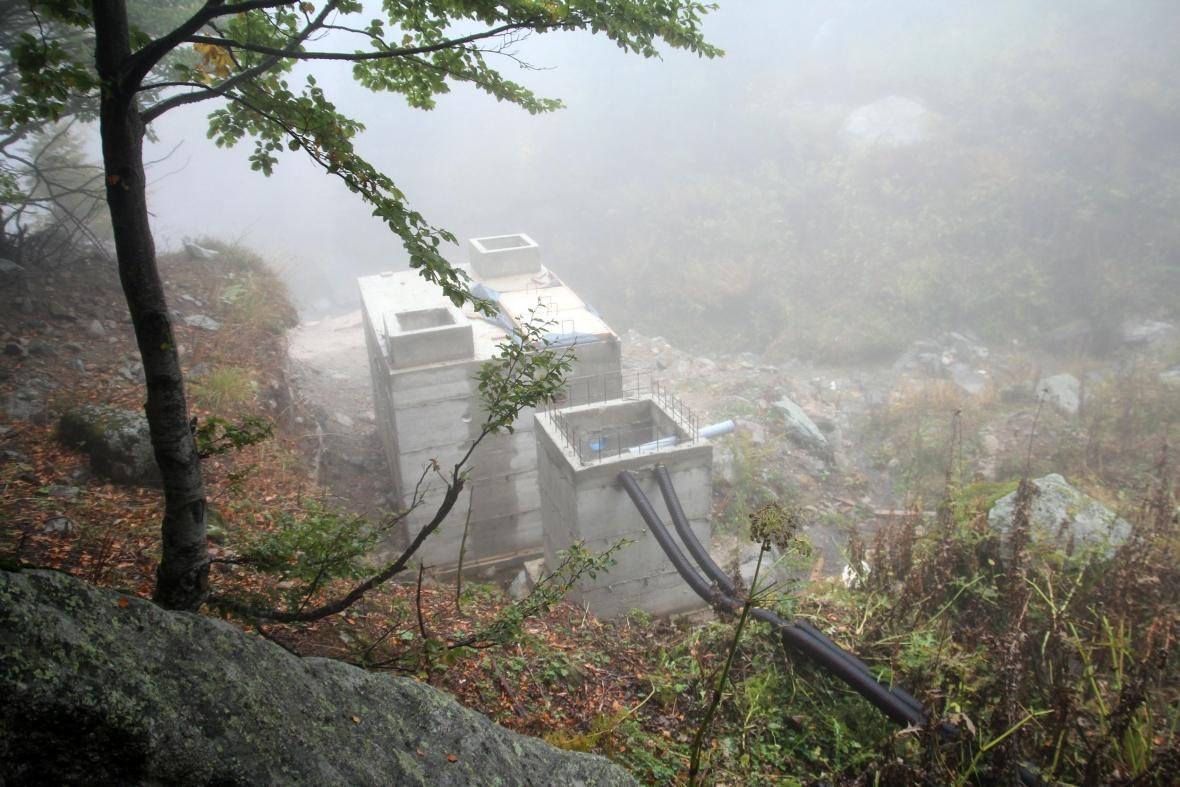
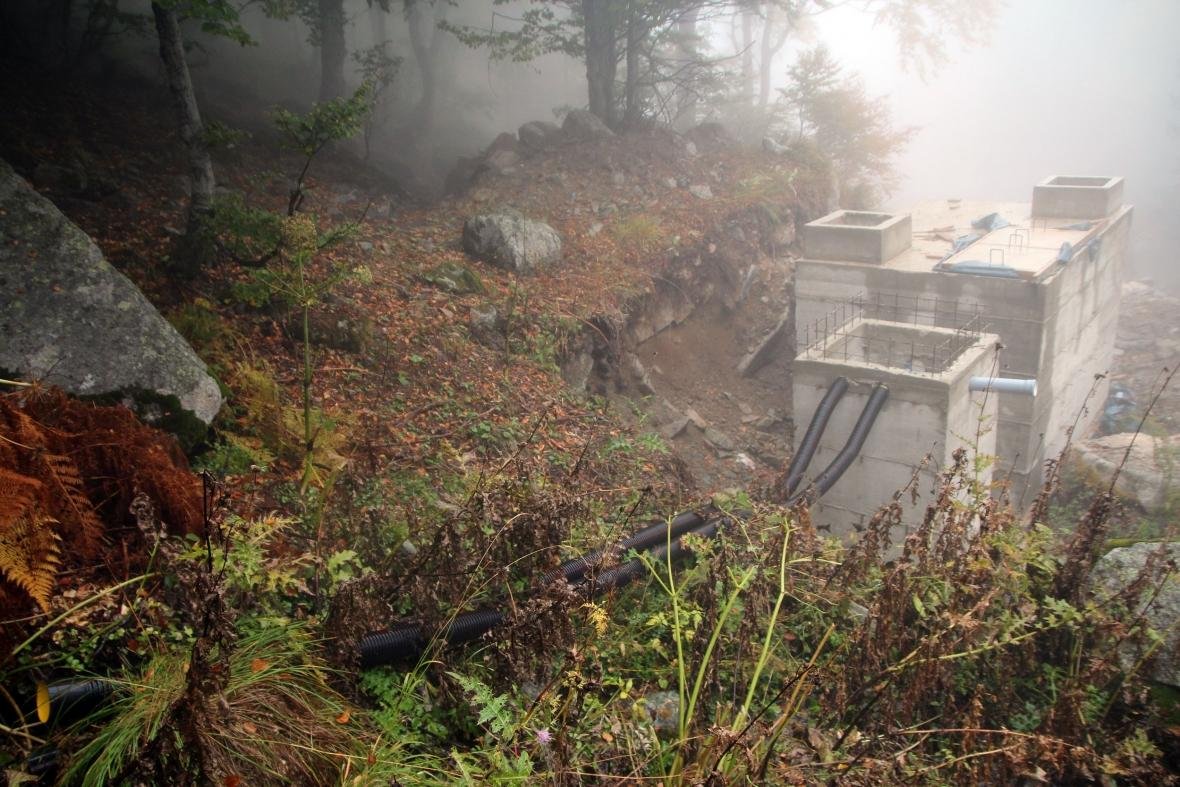
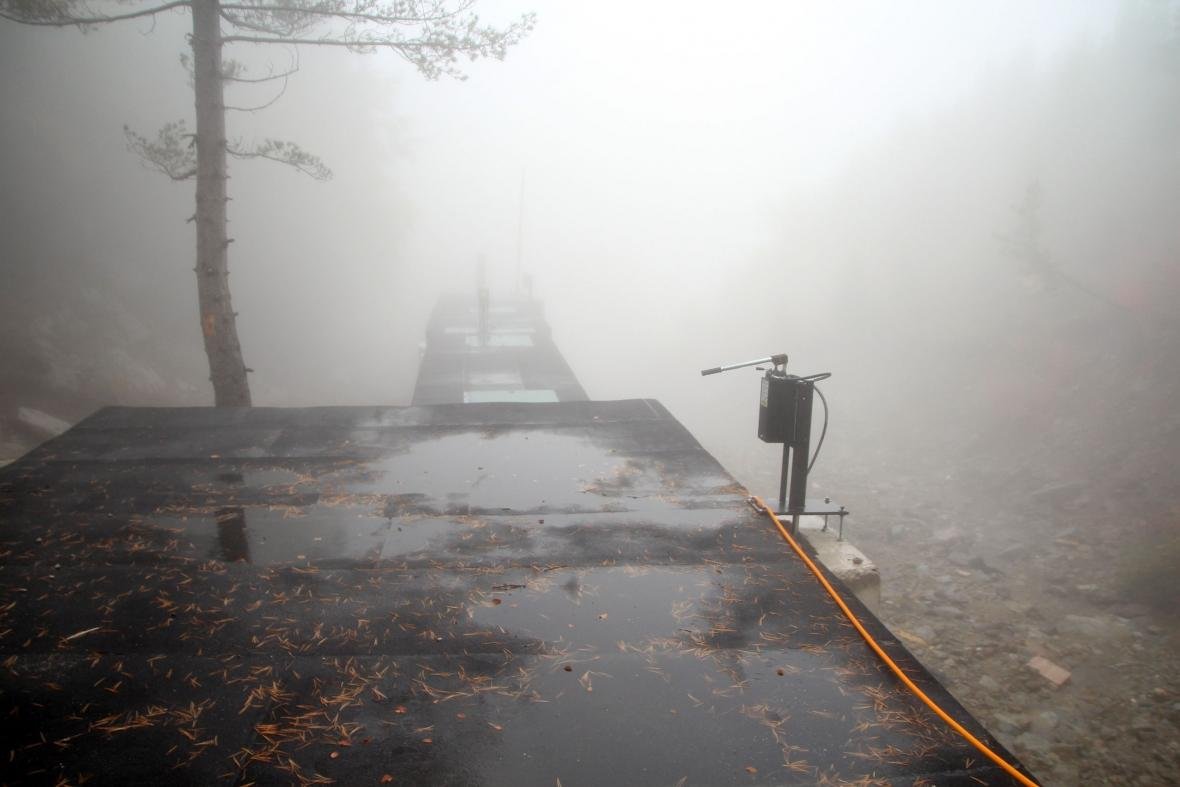
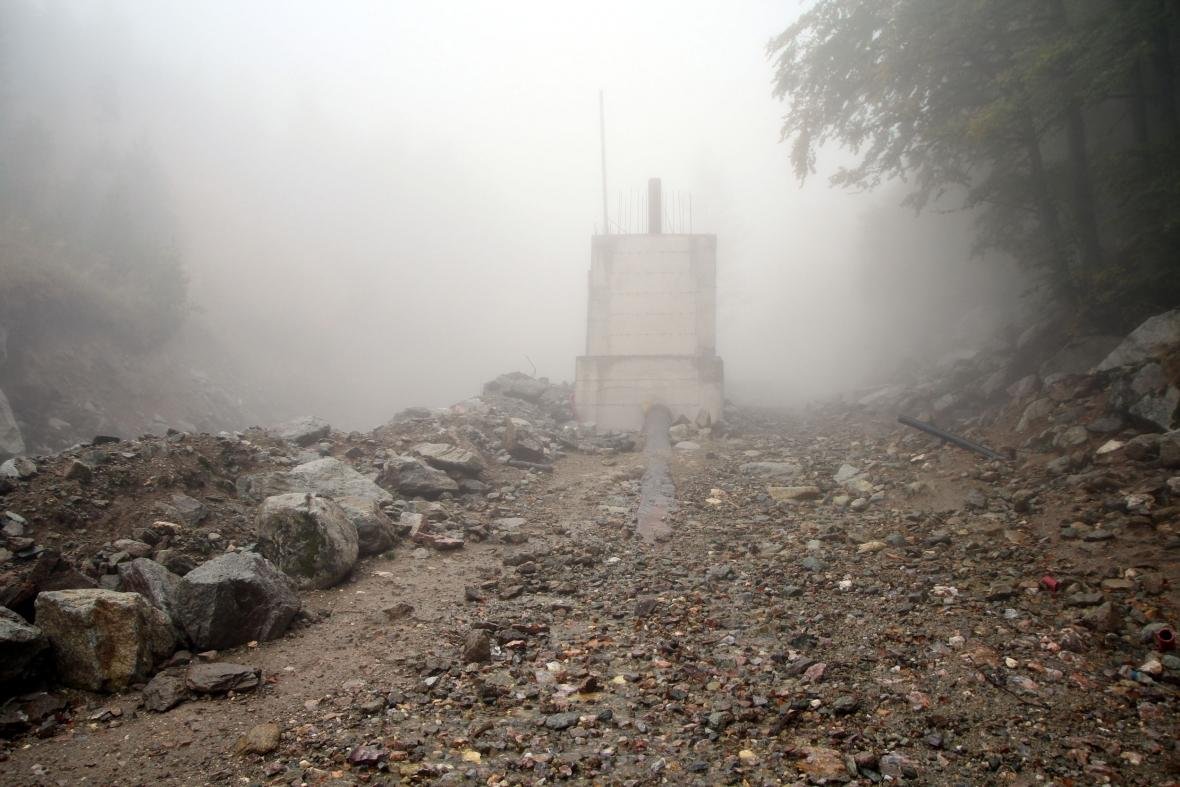
Water intake points in the Sharri National Park. | Photo: Besnik Boletini
Shala-Kadiu said the construction of hydropower plants has caused multidimensional damage, but among the most important is the damage to the amount of water, because one water flow is for the entire park area, for all flora, fauna, and everything that exists along that river course.
“The trees of the Accursed Mountains, which are over four thousand years old, need not only direct water but also precipitation, because even during evaporation they maintain themselves properly,” said Shala-Kadiu.
Shala-Kadiu said that currently the idea is to build seven dams, which could also be used as hydropower plants if a feasibility study exists for that potential. But, according to her, this should be done with state ownership, not foreign investors.
Shala-Kadiu believes the hydropower plants should be removed because they were built illegally, do not respect water flow requirements, are not reporting and, specifically, they have not installed water meters that could be monitored online so that we can see them too.
“Therefore, there is sufficient basis to initiate their removal. It is enough for the environment minister to decide that these hydropower plants are damaging the environment and must be removed,” she said.
North Macedonia removed the hydropower plants
In North Macedonia there are 90 to 120 active small hydropower plants. According to data from the Energy Regulatory Commission (ERC), 93 are already in operation, while 27 have received temporary decisions to carry out the activity.
Investigative journalist Ivan Blazhevski from IRL said that in 2005 North Macedonia changed the legal framework in the energy sector and procedures began for granting concessions for small hydropower plants to private investors. Meanwhile, in 2006 the first private small hydropower plants went into operation, mainly on rivers and smaller water tributaries.
According to him, the period 2007–2015 marked the phase of the greatest expansion of this sector, driven by feed-in tariffs and state financial support.
“After the 2018–2020 period, the pace of development slowed significantly because of public opposition, critical environmental assessments, and changes in energy and environmental policies,” said Blazhevski.
With the declaration of Mount Sharr as a national park in 2021, the implementation of hydropower plant projects in that area was halted.
According to a response from the Ministry of Environment of North Macedonia, work on eight small hydropower plants under construction in that area was stopped, including MHE Leshoçka 100; MHE Leshoçka 101; MHE Belovishka 107; MHE Vratniçka 66; MHE Ljubotenska 67; MHE Pena 82; MHE Mazdraça; and MHEC Sheliçe 9.
The state of North Macedonia compensated the companies that owned the hydropower plants.
According to responses from the Ministry of Environment of this neighboring country, compensation ranged from a minimum of 64,000 euros to a maximum of 597,000 euros.
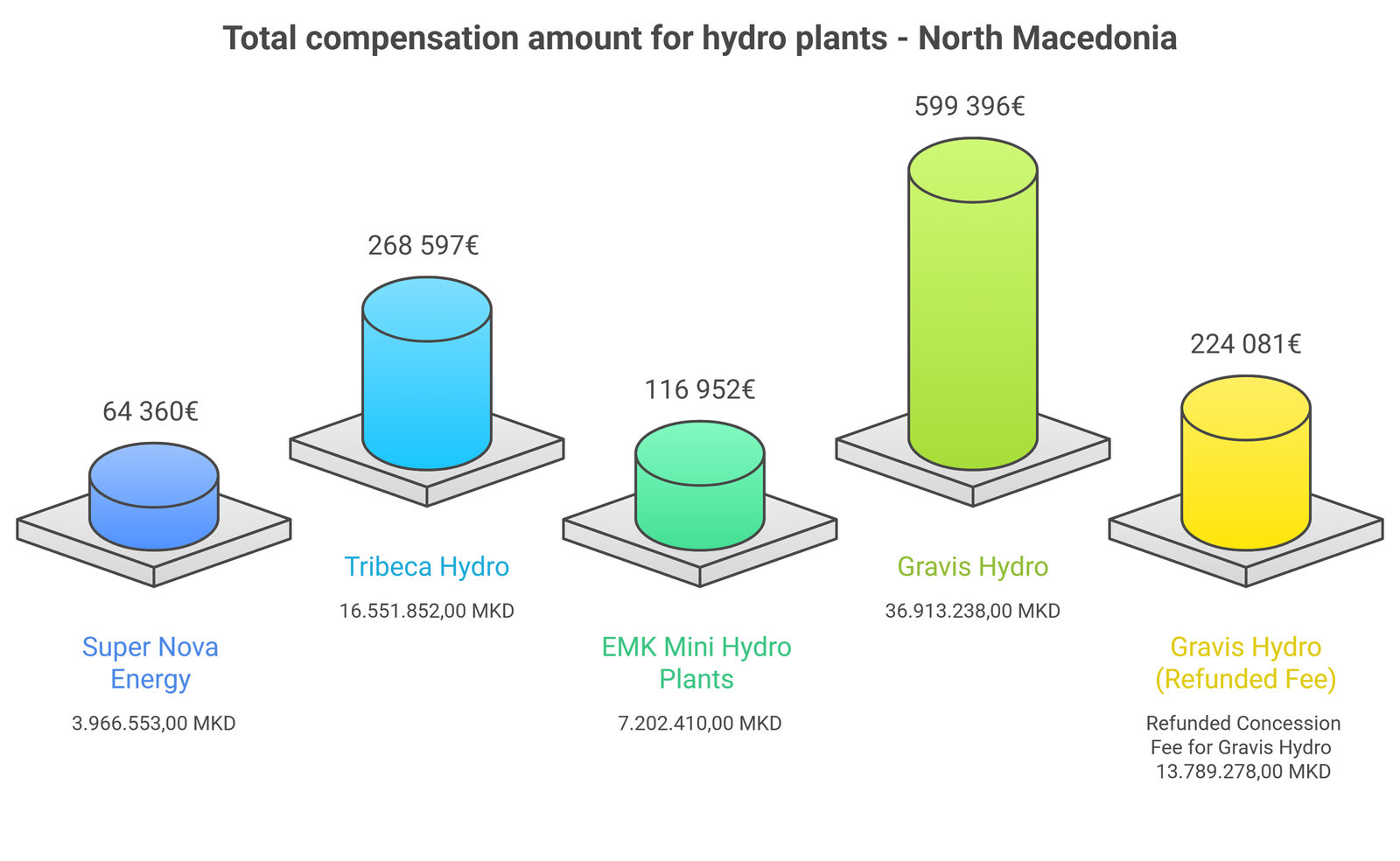
Egzona Shala-Kadiu from EcoZ said that hydropower plants in North Macedonia were granted through concessions, which made them easier to remove, because the state retained ownership while economic operators were only users.
“In Kosovo they were granted through water permits, and procedurally the removal must be undertaken by the minister and if there is a state need for the amount of water,” said Shala-Kadiu.
Failed SLAPP lawsuits
On 1 June 2020, the company Kelkos sued activist Shpresa Loshaj, demanding 100,000 euros. The company raised several allegations of defamation and reputational damage based on statements Loshaj had made publicly, as well as in some letters she sent to the relevant institutions.
“Moreover, on 13 May 2020, on her Facebook profile, the defendant shared a video, contesting the legality of the plaintiff’s hydropower plants, and stating that the plaintiff is contributing to the destruction of the environment and nature, all of this in the absence of an Environmental Permit,” the Kelkos lawsuit states, among other things.
The response to the lawsuit was immediate from lawyer Rina Kika. She listed a series of facts and arguments showing that the plaintiff’s claims are unfounded, and she also presented official communications from Kosovo institutions regarding the damage caused during the construction and operation of the hydropower plants.
The response to the lawsuit emphasizes that in this case, Loshaj’s statements regarding the operation of Kelkos’s hydropower plants without a license and without an environmental permit are based on official public information published by the Energy Regulatory Office, which was specifically compiled for the hydropower plants operated by Kelkos in Deçan Gorge.
“As for the claim that the defendant defamed the plaintiff by stating that the plaintiff did not have an environmental permit, on the one hand the plaintiff characterizes as defamation the defendant’s statement that the plaintiff does not possess an Environmental Permit (see Defamation Lawsuit, paragraph 1.5), while on the other hand it contradicts itself by admitting that it does not possess an Environmental Permit (see Defamation Lawsuit, paragraph 1.15),” the response to the lawsuit states, among other things.
The response further emphasizes that Loshaj’s statements, as factual assertions, enjoy protection under the standards established by the European Court of Human Rights (ECtHR), whose practice prevails in our domestic law under Article 53 of the Constitution.
It states that this lawsuit is considered a SLAPP (Strategic Lawsuits Against Public Participation) and said that environmental damage and company accountability for causing it are matters of public interest, so public debate on this issue must not be hindered or discouraged by approving SLAPP lawsuits.
Kelkos’s lawsuit also did not spare Adriatik Gacaferri, who had photographed the Lumbardhi II hydropower plant and the dry river, posting it on Facebook and expressing his dissatisfaction and concern about the situation. Unlike Loshaj, who was being asked for 100,000 euros, Gacaferri, who was sued on 9 July 2020, was sued for 10,000 euros in damages.
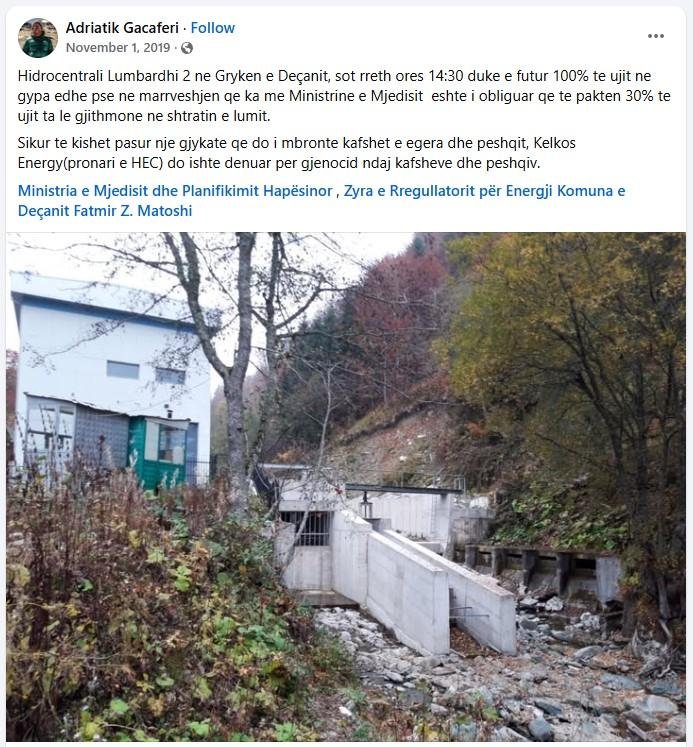
The Kelkos lawsuit states that Gacaferri’s statement culminated in damage to their reputation as a respected enterprise in Kosovar society and a major investor in green energy in Kosovo.
The lawsuit states that Kelkos can prove that on the day the defendant posted the photo and updated the status on Facebook, the Lumbardhi II hydropower plant was out of operation. According to them, this made it impossible for any amount of water to have gone into the pipes.
“On the contrary, the valves of HEC Lumbardi II left 100% of the water in the Lumbardhi River untouched,” the lawsuit states, among other things.
Meanwhile, in the response to the lawsuit prepared by lawyer Rina Kika, it is emphasized that Gacaferri’s statement is protected under freedom of expression as a fundamental human right guaranteed by Article 40 of the Constitution of the Republic of Kosovo.
The response to the lawsuit said that Gacaferri’s statement is legally protected, because the first part constitutes a statement of public interest, while the second part is an expression of opinion, and therefore both are examined separately.
It is stressed there that Gacaferri’s statement is protected as a statement made on a matter of public interest, for which he cannot be held liable for defamation because he supported his claim that 100% of the water went into the pipes by observing the place where he took the photograph.
Regarding this issue, Preportr contacted Adriatik Gacaferri, but he did not want to speak and said that for several years he has not been dealing with the hydropower plant issue.
Kelkos: We withdrew the lawsuits
On 20 October 2021, the ad hoc coalition of civil society organizations and activists announced that Kelkos had withdrawn its defamation lawsuits against Shpresa Loshaj and Adriatik Gacaferri. The withdrawal of the lawsuits came after a major public debate and many reactions related to the issue.
Lawyer Rina Kika said that Kelkos knew it could not win these baseless lawsuits in court and that the goal was never for them to win the case; the goal was to intimidate the activists who criticize the company’s operations.
“They withdrew both lawsuits, without any conditions and immediately. Lawsuits like these, which try to silence public debate on matters of public interest such as environmental protection, are harmful and should be strongly opposed by everyone,” Kika said.
Nico Kollmann from Kelkos said the lawsuits against Shpresa Loshaj and Adriatik Gacaferri were withdrawn voluntarily, “with the aim of de-escalating tensions and creating space for a more constructive and fact-based dialogue.”
Asked whether these were SLAPP lawsuits intended to frighten activists into avoiding the issue, he said that description is inaccurate and that the legal actions were taken to protect their legitimate rights and reputation against false accusations, in accordance with the applicable law.
The FOL Movement was engaged in defending the two environmental activists. Mexhide Demolli, director of this organization, said that together with other civil society organizations, they assessed these lawsuits as SLAPP.
“The sums requested as compensation were tools to exert financial and psychological pressure on individuals who criticized the operations of ‘Kelkos Energy’ in Deçan Gorge,” said Demolli.
She said these lawsuits have a chilling effect on society. Even though in this case activists like Shpresa Loshaj showed courage and did not back down, it was Kelkos that withdrew the lawsuits after strong pressure from civil society.
The sums requested as compensation were tools to exert financial and psychological pressure on individuals who criticized the operations of ‘Kelkos Energy’ in Deçan Gorge.
“There is concern that these lawsuits may cause other activists to self-censor, out of fear of long court proceedings and high costs. What is already known is that the purpose of SLAPP lawsuits is not justice, but to tire out and exhaust the resources of those who dare to speak,” Demolli stressed.
Loshaj: They tried to silence me and intimidate those who might speak
Shpresa Loshaj told us about her experience with the lawsuit filed against her. She found it strange and shocking that a foreign company could come and file baseless lawsuits and try to silence the citizens of Kosovo. Loshaj said that, on the one hand, she understood why many people in Kosovo are afraid to speak openly, but on the other hand, she was pleasantly surprised by the support she received from civil society.
She said that initially she did not feel any hesitation or fear because she had the facts on which she had spoken and built her activism for the protection of the Lumbardhi i Deçanit.
Meanwhile, she said she began to understand what was happening with Kelkos’s cases in the courts of Peja and Deçan. She said she learned that a citizen of Deçan was fined because he had tried to remove Kelkos machinery from his meadow, after they had entered without permission and without his knowledge to open canals on his property.
“The judge who had my case in Deçan imposed that fine, reasoning that the citizen had raised his voice while communicating with Kelkos workers,” she tells us.
Loshaj said that when she saw this case, it became clear to her that such decisions sent a message to the citizens of Deçan to remain silent.
“I think that is exactly how the silence began that covered Deçan for a long time,” she said, adding that through this lawsuit they wanted to make sure not only to silence her, but to intimidate everyone who might speak.
“Some voices that were once very loud in defense of the Lumbardhi have today almost disappeared. This shows that the pressure and fear created by such lawsuits can make people step back or stay silent, even when they know the cause is just,” Loshaj said.
She told us that other citizens also advised her to be careful because there could be various consequences, even ending up in prison. According to her, this was an indicator of citizens’ trust in the justice system.
Some voices that were once very loud in defense of the Lumbardhi have today almost disappeared. This shows that the pressure and fear created by such lawsuits can make people step back or stay silent, even when they know the cause is just.
“When people do not trust the courts, the fear of such lawsuits becomes even greater, and in this case the fear was real,” said Loshaj.
According to her, Kelkos knew that its influence would not have an effect on her, because she did not live in Kosovo, and her life, work, and family were in Canada, so they had no way to pressure her through work or family members. Nevertheless, she said there were indirect pressures, as well as various threats, which began at the door of her home.
“Some people from my village also felt pressure from Kelkos, or more precisely from the Municipality of Deçan, which saw my activism as a threat. There were several occasions when various methods were used to silence me, which even put my life at risk,” said Loshaj, adding that she was fortunate to always be accompanied by her husband. Meanwhile, she said she was constantly careful in her movements.
“Maybe a time will come when I will be open about those experiences,” she said.
Shpresa Loshaj’s experience is not unique. Other citizens, such as Ibrahim Dalloshi, continue to face court proceedings as they oppose hydropower projects and insist that rivers must not be put into pipes. Meanwhile, many hydropower plants continue to operate, while other projects are still waiting for the green light from the institutions.
This research has been supported by the European Fund for the Balkans.
The views expressed in this publication are solely those of the author and do not necessarily reflect the positions or views of the European Fund for the Balkans.